



Aurea On Site: Protecting the Design as It Becomes Real
As Aurea continues to take shape on site, the project is moving through one of the most important stages of the architectural process: the point where a design leaves the drawing board and starts becoming physical.
Walls begin defining spaces. Views that were carefully considered on screen are suddenly framed in concrete. Staircases can be walked for the first time. The scale and volume of the home become real. For the Nellis Architecture team, this is also when another important part of our role comes to the fore.
Lee Nellis calls it being the Design Guardian.
“The main role of the Design Guardian is to make sure that the design as drawn and specified is actually being implemented in reality.”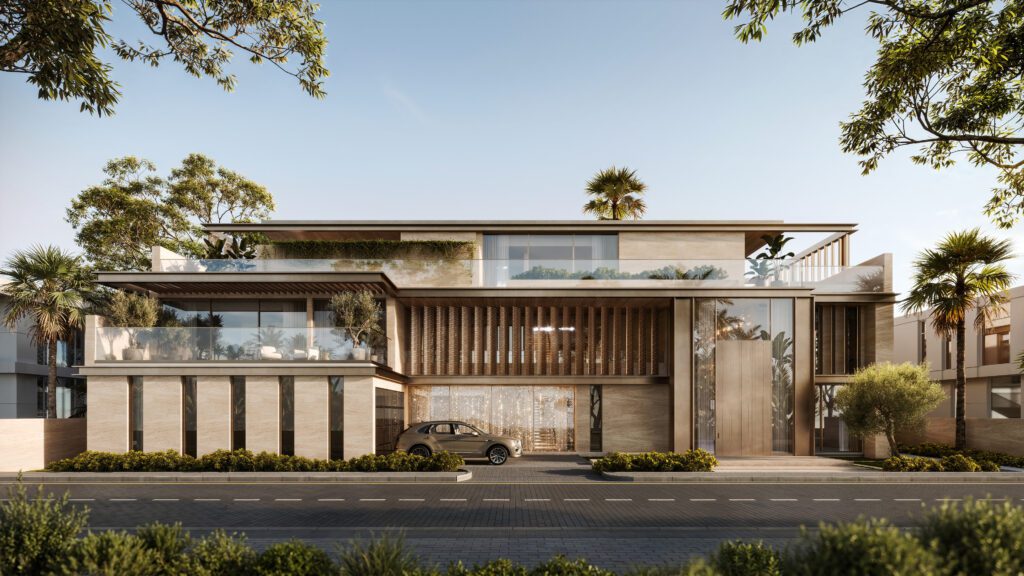
From design intent to built reality
No project makes the journey from concept to completion in isolation. As construction progresses, the architecture needs to respond to structural requirements, building services, local authorities, budgets, construction programmes and the realities uncovered on site. Each brings new questions and, sometimes, necessary changes. Our role is not to resist those realities. It is to work through them while protecting the thinking that shaped the project in the first place.
Because seemingly small decisions can have a lasting impact. A structural adjustment can change how a space feels. A service position can influence a room layout. A decision made to save time during construction can become something the owner experiences every day.
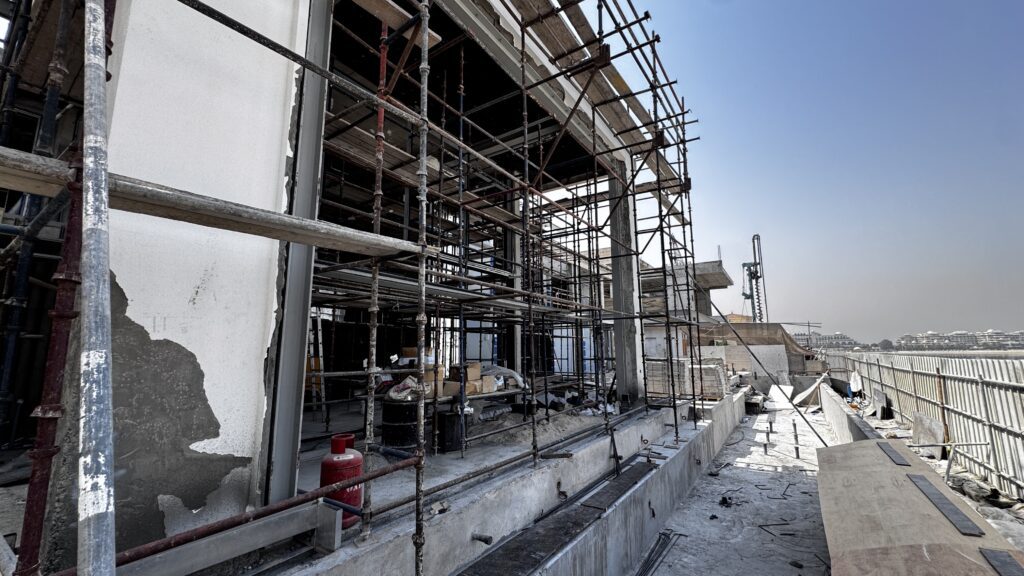
That is why staying close to a project through construction matters.
“You have to balance that role. You’re trying to keep the design from being negatively affected because of cost, a structural reason, or because someone wants to save a few weeks. At the end of the day, the owner will have to live with that decision.”
Designing beyond handover
For us, architecture has never been about producing a set of drawings and stepping away.
Aurea is another opportunity to see a design through the transition Lee describes as moving “from paper to sculpture”. It means walking the site, asking questions, resolving details and continually returning to the intent behind the architecture.
Not simply because we want Aurea to look as it was envisioned when construction is complete, but because we are designing on a much longer timeline.
“How long are we building for? We want to build timeless architecture that in 50 years people are still respecting and acknowledging the care and craftsmanship that went into it.”
Construction may be temporary.
The decisions being made now are not.