



Home / News
Contemporary Luxury Architecture: What the World’s Best Homes Have in Common
July 28, 2026
Walk through the finest homes in the world, and a pattern quickly becomes clear. They rarely share a style. A minimalist residence in Kyoto has little in common, visually, with a stone villa on the Amalfi coast or a glass-walled home overlooking Dubai's coastline. Yet spend time in each, and something familiar emerges. They feel considered. They feel calm. They feel, without needing to explain themselves, right. This is the paradox at the centre of luxury home design. The world's best homes look nothing alike, and yet they are shaped by the same underlying thinking. For Nellis Architecture, understanding what that thinking actually is, rather than simply admiring its results, is central to how every project begins. As Lee Nellis often reflects, great architecture is rarely about a signature look. It is about a signature way of thinking, applied consistently, regardless of context.
Context and Transition: How a Space Prepares You
The first thing the world's best homes have in common is restraint at the threshold. They do not rush the arrival. These are small gestures with important work to do: a shaded entry, a change in ceiling height, a shift underfoot from stone to timber. They allow a visitor, or a resident returning home, to move from one state of mind to another. In much contemporary villa design, this transition is compressed or removed altogether. An entrance opens directly onto a great room, and the sense of arrival is lost before it begins. The homes that endure tend to resist this shortcut. They treat movement through the building as part of the experience, not simply a route between destinations. This is a principle worth holding onto: that a home should unfold rather than announce itself. Smart home automation can reinforce this sequencing through lighting and climate that respond as someone moves through the plan, but the architecture has to establish the logic first. Technology can support a well-designed transition. It cannot invent one.Richness: Giving the Eye Something to Engage With
 The second shared quality is a kind of measured richness. The best homes are neither stark nor overworked. They avoid the two most common failures in luxury residential design: spaces so minimal they feel unfinished, and spaces so layered they feel demanding.
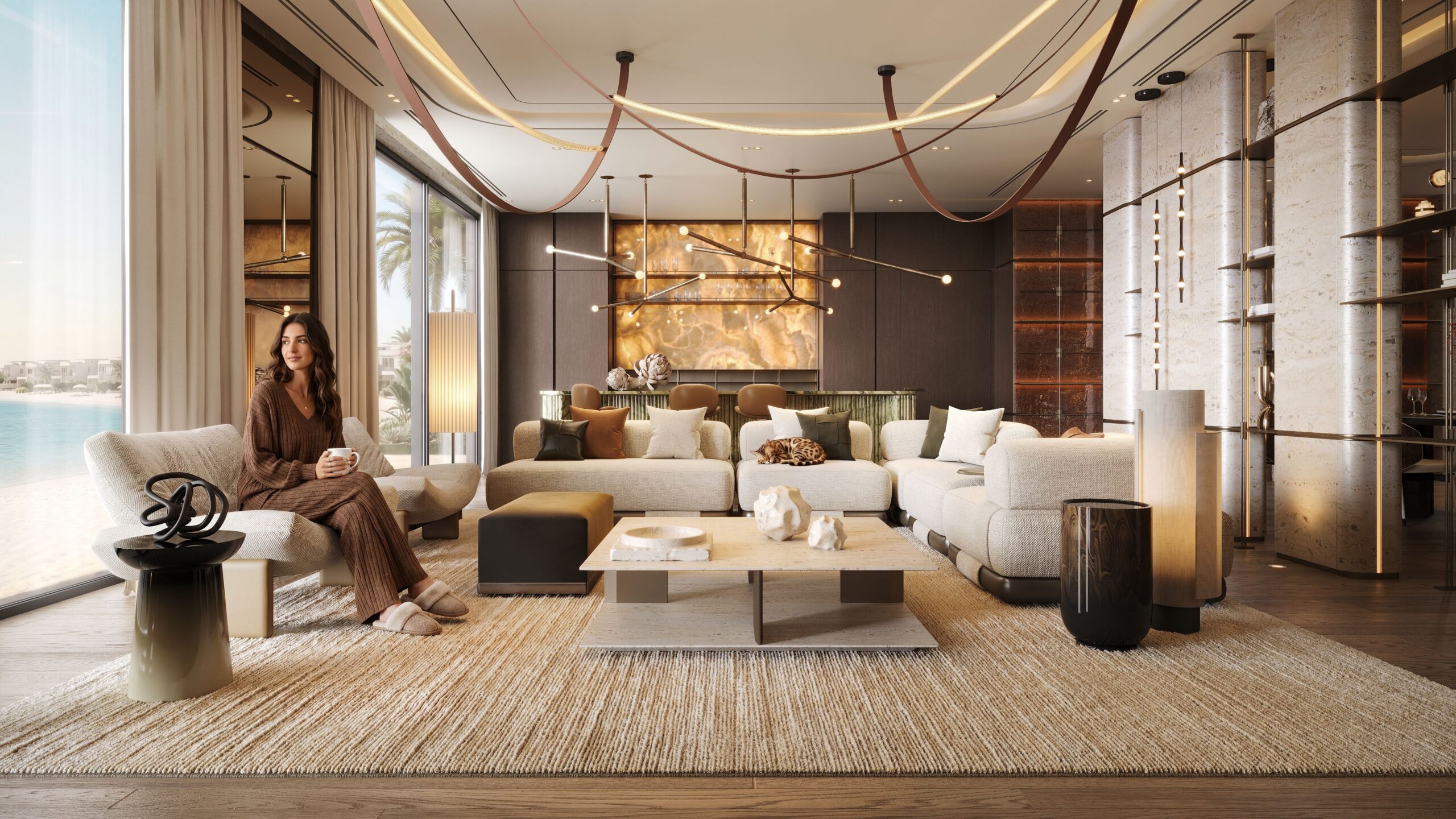
Instead, richness comes from material depth and the behaviour of light. A stone surface that changes character across the day. Timber that ages visibly and well. Joinery with enough variation in grain and texture to hold attention without competing for it. None of this requires ornamentation. It requires materials chosen for how they perform over time, not simply how they photograph on completion.
This approach is consistent across markets. The material palette may respond to a Scandinavian climate or the intensity of Gulf sunlight. But the underlying principle stays the same: surfaces should soften and reward attention, not exhaust it.
The second shared quality is a kind of measured richness. The best homes are neither stark nor overworked. They avoid the two most common failures in luxury residential design: spaces so minimal they feel unfinished, and spaces so layered they feel demanding.
Instead, richness comes from material depth and the behaviour of light. A stone surface that changes character across the day. Timber that ages visibly and well. Joinery with enough variation in grain and texture to hold attention without competing for it. None of this requires ornamentation. It requires materials chosen for how they perform over time, not simply how they photograph on completion.
This approach is consistent across markets. The material palette may respond to a Scandinavian climate or the intensity of Gulf sunlight. But the underlying principle stays the same: surfaces should soften and reward attention, not exhaust it.
Attraction: Where the Space Naturally Draws You
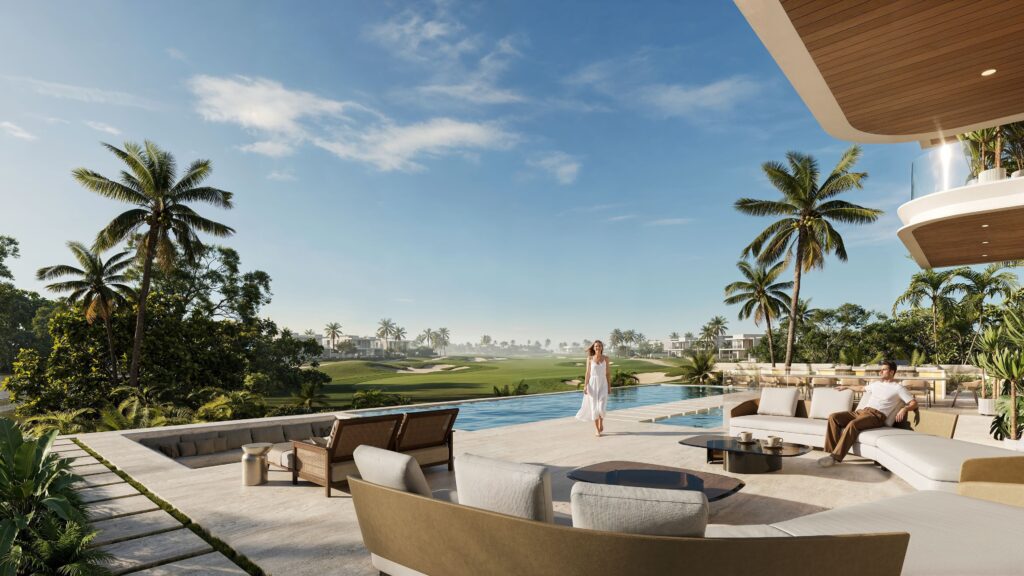
Every exceptional home has a quiet hierarchy. Somewhere in each room, the eye is drawn, not by force, but by design. A framed view. A change in light. A single considered alignment between a doorway and a distant window. This is what separates a composed space from one that is simply furnished. In waterfront and view-led settings, this often means orienting rooms toward the landscape. But the external view only succeeds if the internal composition supports it. A room crowded with competing focal points will always undercut the best view in the world. As Margaret Pluta has observed, attraction in architecture works best when it feels found rather than imposed, the same principle that governs how the eye moves through a well-designed garden. Layered lighting, used with restraint, can reinforce this hierarchy without ever feeling staged.Alignment: Designing for What Actually Happens
The final, and perhaps most consequential, similarity is alignment between design and daily life. The world's best homes are rarely built around an idealised version of how a family might live. They are built around how that family actually lives, where they gather, how they move, which spaces earn daily use and which do not. This requires a different kind of brief, one that goes beyond room counts and finishes toward genuine understanding of behaviour and routine. This shift is increasingly reflected in villas designed for the long term, favouring flexible layouts and layered privacy over rigid, symmetrical plans that photograph well but resist everyday use. As Quinton Murdoch often notes, alignment achieved at the design stage is far cheaper, and far more durable, than alignment forced through renovation a decade later. Getting this right from the outset is not a luxury. It is the foundation everything else depends on.A Shared Design Philosophy
This is the essence of thoughtful luxury home design: that a space is not measured by how it looks in a photograph, but by how naturally it supports the people who live in it. As Lee Nellis often puts it, a home does not need to explain itself. If the thinking behind it is sound, it simply feels right. This is the standard every project should be measured against. Not whether a home impresses on arrival, but whether it continues to feel effortless, considered, and genuinely lived in, long after the first impression has faded.Frequently Asked Questions
What makes luxury home design different from simply expensive design? Cost and quality of finish are entry conditions, not the definition of luxury home design. What distinguishes genuinely exceptional homes is whether the space is designed around how people actually live, considering context, richness, attraction and alignment together, rather than how impressive it appears on completion. Why do the world's best homes look so different from one another, if they share the same design principles? Style is a surface expression, shaped by climate, culture and material availability. The underlying principles behind luxury home design are behavioural rather than stylistic, which is why a minimalist home in Kyoto and a stone villa on the Amalfi coast can feel equally resolved despite looking nothing alike. How is this design philosophy applied to bespoke residential projects? Every project begins with understanding how a household actually lives, rather than an idealised version of it. From there, transitions, materials, focal points and layout are resolved together, so that automation, sustainability and structure all serve the same underlying pattern of daily life rather than being layered on separately.Design Intent Summary
This article positions Nellis Architecture within the global conversation on luxury home design, moving beyond regional comparison to establish the practice's design philosophy as consistent with the principles found in the world's most enduring residential architecture. It targets design-literate clients evaluating architects on the basis of thinking rather than portfolio style, and reinforces Nellis Architecture as a practice with a coherent, transferable point of view rather than a fixed aesthetic.July 28, 2026
Contemporary Luxury Architecture: What the World’s Best Homes Have in Common
July 9, 2026
Systems Thinking in Architecture: Designing Systems, Not Just Villas
July 7, 2026
UAE Architecture During Global Uncertainty: How Dubai’s Architecture Sector Continues to Grow Through Global Change
July 6, 2026
Architecture and Identity in the UAE | Contemporary Middle Eastern Design | Nellis Architecture
July 5, 2026
Contemporary Luxury Architecture: What the World’s Best Residential Homes Have in Common
July 2, 2026
Dubai as a Global Design Base | Luxury Architect Dubai | Nellis Architecture
June 28, 2026
Smart Home Automation Dubai | What Belongs in a Luxury Villa | Nellis Architecture
June 3, 2026
Designing for Balance, What Traditional Chinese Architecture Teaches Modern UAE Homes
May 31, 2026
Behaviour-Led Luxury Home Design Dubai | Residential Architecture UAE | Nellis Architecture
May 30, 2026
Mediterranean-Inspired Luxury Home Design Dubai | Residential Architecture UAE | Nellis Architecture
May 25, 2026
When Design Is Tested What Actually Matters | Luxury Villa Design Dubai | Nellis Architecture
May 18, 2026
Beyond Aesthetics: Designing Spaces That Last | Luxury Home Design Dubai | Nellis Architecture
May 15, 2026
Architectural Design Across the UAE | Luxury Home Design Dubai | Nellis Architecture
May 8, 2026
How We Approach Dubai Villa Interior Design on Palm Jumeirah | Nellis Architecture
May 6, 2026
How to Choose an Architecture Firm in Dubai | Luxury Villa Design UAE | Nellis Architecture
April 6, 2026
Why Longevity Is Becoming the New Definition of Luxury
April 4, 2026
The Islamic Garden Principles in Contemporary Palm Jumeirah Villa Design
April 2, 2026
The Difference Between Expensive and Valuable in Luxury Architecture
March 30, 2026
The Architecture of Shade in the UAE
March 27, 2026
Living With the Sea: What Coastal Architecture Really Requires on Palm Jumeirah
March 24, 2026
From Mashrabiya to Modern Screens: Privacy in Architecture and What It Means for Dubai Villas Today
February 15, 2026
What Makes a Palm Villa Truly Luxury | Luxury Villa Design Dubai | Nellis Architecture
February 14, 2026
Modern vs Contemporary Villas on the Palm | Luxury Villa Design Dubai | Nellis Architecture
February 13, 2026
How to Maximise Views Without Sacrificing Privacy | Luxury Villa Design Dubai | Nellis Architecture
February 3, 2026
Future-Proofing a Palm Jumeirah Home | Luxury Villa Design Dubai | Nellis Architecture
January 25, 2026
Common Mistakes When Building High-End Homes in Dubai | Luxury Villa Design | Nellis Architecture
December 29, 2025
Indoor–Outdoor Living in the Gulf | Climate, Shading and Landscape | Nellis Architecture
December 24, 2025
Designing Stillness on the Sea | 5-Star Single Residence Winner | Nellis Architecture
December 24, 2025
Designing the Extraordinary: Onyx and the Architecture of Confidence
December 22, 2025
25 Questions: The Art of a Good Architectural Brief | Nellis Architecture
December 18, 2025
Water as Experience | Pools, Rills and Thermal Comfort in Gulf Architecture | Nellis Architecture
December 17, 2025
Nellis Architecture 2025 Reflections: Culture, Clarity and the Year of Momentum
December 15, 2025
The Craft of Time: Why Enduring Architecture Matters
November 25, 2025
Sustainable Architecture for Dubai Homes
November 24, 2025
Miraia, Award-Winning 5-Star Single Residence | International Property Awards 2025
November 21, 2025
Heritage and Innovation in Dubai Architecture: How Tradition Meets Modern Design
November 07, 2025
Beachfront Resilience: Salt, Wind, And Glazing
November 01, 2025
AI In Home Design: Useful Or Hype?
September 30, 2025
Quiet Luxury and the Secret of Wabi-Sabi
September 24, 2025
Bespoke Design for Dubai Homes
August 15, 2025
Full Circle Moments and Firsts: A Conversation with Anastasia, Intern at Nellis Architecture
August 11, 2025
Seeing Beyond the Surface: My Journey in Architectural Visualisation
July 22, 2025
When the Brief Comes Pre-Built. A studio reflection with Pieter, Ben and Quinton | Nellis Architecture
July 9, 2025
Introducing Margaret – and Why Landscape Architecture Isn’t Just “Nice to Have”
July 1, 2025
Living Tomorrow: Reflections on the Future of Home Design
June 3, 2025
Building Trust Not Just Buildings: Marketing the Nellis Way
April 14, 2025
How the World Got Smaller: Architecture, Tech, and Keeping Design Real
May 1, 2025
Crafting Light, Telling Stories: A Reflection on Milan Design Week 2025
March 19, 2025
Using Historical Learnings Today
February 2, 2025
Visiting Vitrocsa in Switzerland: Nellis Architecture x GLASSLINE
January 31, 2025
Crafting Wellness at Nellis Architecture: A Year of Reflection and Growth
December 20, 2024
Nellis Architecture X Bauhaus: The Power of Collaboration in Property Projects
December 6, 2024
Lee Nellis: A Journey Through Architecture
November 6, 2024