



Home / News

Common Mistakes When Building High-End Homes in Dubai | Luxury Villa Design | Nellis Architecture
January 25, 2026
Building a high-end home in Dubai is often described as a dream project. A blank plot. A clear vision. The opportunity to create something bespoke, personal and lasting. Yet in practice, even the most ambitious luxury villa projects can falter when early decisions are rushed, misaligned or driven by short-term thinking. As an architectural firm in Dubai working closely with homeowners, developers and consultants across the UAE, we see many of the same issues repeated. Not because clients lack ambition, but because the complexity of building a luxury villa in this region is often underestimated. From heat gain and climate response to scope creep and value engineering pitfalls, the mistakes are rarely dramatic. They are subtle. And by the time they surface, they are expensive to undo. This is not a checklist of errors. It is a reflection on what we have learned through years of designing bespoke residential architecture in Dubai, and what matters most when the goal is to create a home that performs well, feels calm and endures over time.
Starting with form instead of function
One of the most common mistakes we see is prioritising visual impact before understanding how a home will actually be lived in. Clients arrive with strong references. International homes. Striking façades. Social media inspiration. While these references can be useful, they are rarely rooted in Dubai’s climate, lifestyle or regulatory environment. A villa architect in Dubai must think first about orientation, solar exposure and privacy before form. Large expanses of glazing may look appealing, but without careful consideration they can lead to excessive heat gain and uncomfortable interiors. “We often have to gently reframe the conversation,” says Lee Nellis, Principal Architect. “A beautiful home in Dubai is one that feels good at every hour of the day, not just one that photographs well.” Luxury villa design in Dubai begins with understanding how spaces are used. When families gather. How privacy shifts between public and private areas. How light moves across the site. Form should emerge from those decisions, not lead them.Underestimating climate and heat gain
Dubai’s climate is not an afterthought. It is a design driver. Yet many projects treat environmental performance as a technical issue to be solved later, rather than a core architectural decision. Modern villa architecture in the UAE must respond to heat, humidity and glare. This influences massing, window placement, shading solutions and material selection. When these elements are introduced late, they often compromise the original design intent. Passive design strategies, such as controlled openings, recessed glazing and carefully planned courtyards, are far more effective when integrated from the start. They also reduce long-term energy demand and improve comfort without relying solely on mechanical systems. As an architectural firm Dubai homeowners trust for complex residential projects, we place climate response at the centre of every brief. It is not about restriction. It is about designing intelligently for place.Allowing scope creep to erode clarity
High-end residential projects evolve. That is expected. What becomes problematic is when evolution turns into scope creep without a clear framework for decision making. Additional rooms. Expanded basements. Late structural changes. Each adjustment may seem minor, but collectively they strain budgets, timelines and relationships. Clear architectural design services include defining boundaries early. What is essential. What is flexible. What is optional. Without this clarity, value engineering pitfalls emerge later, often forcing compromises in areas that matter most. Quinton Murdoch, Associate Architect, reflects on the construction stage. “Ongoing changes to drawings place pressure on the project timeline and increase the risk of delays. Good architecture relies on clear intent carried through every stage, from concept to site.”The Role of a Trusted Villa Architect in Dubai
The role of a villa architect Dubai clients rely on is to maintain clarity throughout the project, even when pressures mount. Another frequent mistake is treating architecture and interior design as separate disciplines too early in the process, which can weaken communication and coordination. Ceiling heights, window proportions and structural grids directly influence interior layouts and furniture planning. When these elements are disconnected, the result is often awkward spaces that feel forced rather than fluid.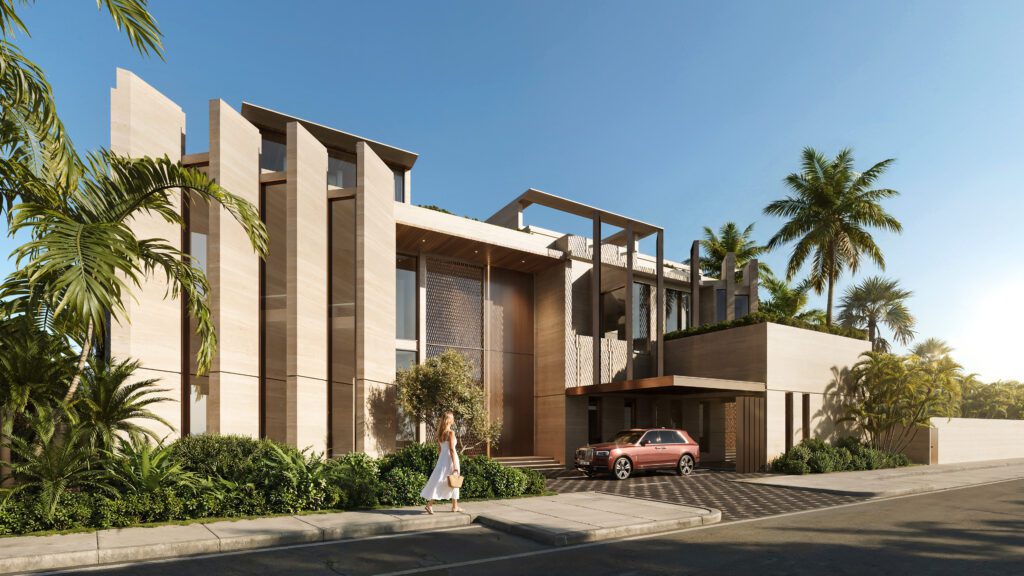 Dubai villa interior design works best when interior designers are brought into the conversation early, working alongside the architect to shape spaces holistically. This approach allows for better coordination, fewer compromises and a more cohesive result.
Luxury home design in Dubai is not about layering finishes onto a fixed structure. It is about shaping the architecture itself to support how the home will be furnished and experienced.
.
Dubai villa interior design works best when interior designers are brought into the conversation early, working alongside the architect to shape spaces holistically. This approach allows for better coordination, fewer compromises and a more cohesive result.
Luxury home design in Dubai is not about layering finishes onto a fixed structure. It is about shaping the architecture itself to support how the home will be furnished and experienced.
.
Delaying smart home integration
Smart home automation is now an expectation in high-end homes across the UAE. Yet it is still often treated as an add-on rather than an integral part of architectural planning. Smart home wiring, equipment locations and control strategies need to be coordinated early. Retrofitting these systems later leads to visible compromises, increased costs and limited functionality. As a villa architect Dubai homeowners turn to for integrated solutions, we encourage collaboration between architects, interior designers, and smart home consultants from the early stages of the project. While interior design input may be limited initially due to frequent design changes, early coordination ensures that future technology and spatial decisions support the home seamlessly, rather than dominating it. The best smart homes are the ones you do not notice. They simply work.Choosing consultants without alignment
Luxury villa projects rely on strong collaboration. Architects. Engineers. Landscape architects. Contractors. When teams are assembled without alignment on quality, process or communication style, friction is inevitable. Landscape architecture Dubai projects in particular benefit from early integration. Outdoor spaces are not decorative afterthoughts. They are essential living areas in the UAE, especially during cooler months. Margaret Pluta, Landscape Architect, explains, “Outdoor spaces need to be designed with the same care as interiors. Shade, planting and water features all play a role in comfort and usability.” When landscape design is introduced late, opportunities are missed. Levels clash. Drainage becomes problematic. Planting struggles to thrive. The best architecture firms in Dubai act as coordinators, not just designers. They ensure that every consultant is working towards a shared vision.Focusing on cost before value
Budget conversations are unavoidable. What often goes wrong is when cost becomes the primary driver too early, leading to value engineering decisions that undermine long-term performance. Value engineering pitfalls usually appear when materials, systems or spatial qualities are reduced without understanding their purpose. Cheaper glazing. Thinner walls. Reduced shading. These decisions may lower initial costs, but they increase operational expenses and reduce comfort. Luxury villa design is about value over time. A well designed home costs less to run, ages better and requires fewer interventions. That is where true value lies. As a trusted architectural firm Dubai clients work with on long-term investments, we guide cost discussions around priorities, not just numbers.Ignoring the construction reality
A final mistake is assuming that drawings alone deliver quality. In reality, construction requires constant attention, communication and oversight. Site execution, detailing and sequencing all influence the final outcome. Without strong architectural involvement during construction, even the best designs can be diluted. Quinton notes, “Being present on site allows us to protect design intent. It is where architecture is truly tested.” This level of involvement distinguishes top architecture companies in Dubai from studios that step back once permits are approved.What we have learned
Building high-end homes in Dubai is not about avoiding mistakes altogether. It is about recognising where projects tend to falter and designing processes that anticipate those challenges. The most successful homes we have worked on share common traits. Clear intent. Early integration. Respect for climate. Strong collaboration. Thoughtful decision making. As an architectural firm Dubai homeowners trust for bespoke residential architecture, our role is not simply to design beautiful spaces. It is to guide clients through complexity with clarity and care.“Good architecture is as much about listening as it is about drawing,” Lee reflects. “When we understand how people want to live, everything else falls into place.”Luxury villa design in Dubai is a journey. When approached with patience and purpose, it results in homes that feel calm, resilient and deeply personal. Explore our approach to luxury villa design across Dubai and the UAE.How Dubai Climate Shapes Every Decision a Luxury Architect Makes
Aug 14, 2026
Why International Clients Continue to Choose Dubai for Bespoke Residential Architecture
Aug 11, 2026
Can Architecture Make a Luxury Brand More Desirable? The Psychology Behind Premium Retail Design
July 30, 2026
Designing Oceanfront Homes That Feel Private Without Closing Off the View
July 28, 2026
Contemporary Luxury Architecture: What the World’s Best Homes Have in Common
July 9, 2026
Systems Thinking in Architecture: Designing Systems, Not Just Villas
July 7, 2026
UAE Architecture During Global Uncertainty: How Dubai’s Architecture Sector Continues to Grow Through Global Change
July 6, 2026
Architecture and Identity in the UAE | Contemporary Middle Eastern Design | Nellis Architecture
July 5, 2026
Contemporary Luxury Architecture: What the World’s Best Residential Homes Have in Common
July 2, 2026
Dubai as a Global Design Base | Luxury Architect Dubai | Nellis Architecture
June 28, 2026
Smart Home Automation Dubai | What Belongs in a Luxury Villa | Nellis Architecture
June 3, 2026
Designing for Balance, What Traditional Chinese Architecture Teaches Modern UAE Homes
May 31, 2026
Behaviour-Led Luxury Home Design Dubai | Residential Architecture UAE | Nellis Architecture
May 30, 2026
Mediterranean-Inspired Luxury Home Design Dubai | Residential Architecture UAE | Nellis Architecture
May 25, 2026
When Design Is Tested What Actually Matters | Luxury Villa Design Dubai | Nellis Architecture
May 18, 2026
Beyond Aesthetics: Designing Spaces That Last | Luxury Home Design Dubai | Nellis Architecture
May 15, 2026
Architectural Design Across the UAE | Luxury Home Design Dubai | Nellis Architecture
May 8, 2026
How We Approach Dubai Villa Interior Design on Palm Jumeirah | Nellis Architecture
May 6, 2026
How to Choose an Architecture Firm in Dubai | Luxury Villa Design UAE | Nellis Architecture
April 6, 2026
Why Longevity Is Becoming the New Definition of Luxury
April 4, 2026
The Islamic Garden Principles in Contemporary Palm Jumeirah Villa Design
April 2, 2026
The Difference Between Expensive and Valuable in Luxury Architecture
March 30, 2026
The Architecture of Shade in the UAE
March 27, 2026
Living With the Sea: What Coastal Architecture Really Requires on Palm Jumeirah
March 24, 2026
From Mashrabiya to Modern Screens: Privacy in Architecture and What It Means for Dubai Villas Today
February 15, 2026
What Makes a Palm Villa Truly Luxury | Luxury Villa Design Dubai | Nellis Architecture
February 14, 2026
Modern vs Contemporary Villas on the Palm | Luxury Villa Design Dubai | Nellis Architecture
February 13, 2026
How to Maximise Views Without Sacrificing Privacy | Luxury Villa Design Dubai | Nellis Architecture
February 3, 2026
Future-Proofing a Palm Jumeirah Home | Luxury Villa Design Dubai | Nellis Architecture
January 25, 2026
Common Mistakes When Building High-End Homes in Dubai | Luxury Villa Design | Nellis Architecture
December 29, 2025
Indoor–Outdoor Living in the Gulf | Climate, Shading and Landscape | Nellis Architecture
December 24, 2025
Designing Stillness on the Sea | 5-Star Single Residence Winner | Nellis Architecture
December 24, 2025
Designing the Extraordinary: Onyx and the Architecture of Confidence
December 22, 2025
25 Questions: The Art of a Good Architectural Brief | Nellis Architecture
December 18, 2025
Water as Experience | Pools, Rills and Thermal Comfort in Gulf Architecture | Nellis Architecture
December 17, 2025
Nellis Architecture 2025 Reflections: Culture, Clarity and the Year of Momentum
December 15, 2025
The Craft of Time: Why Enduring Architecture Matters
November 25, 2025
Sustainable Architecture for Dubai Homes
November 24, 2025
Miraia, Award-Winning 5-Star Single Residence | International Property Awards 2025
November 21, 2025
Heritage and Innovation in Dubai Architecture: How Tradition Meets Modern Design
November 07, 2025
Beachfront Resilience: Salt, Wind, And Glazing
November 01, 2025
AI In Home Design: Useful Or Hype?
September 30, 2025
Quiet Luxury and the Secret of Wabi-Sabi
September 24, 2025
Bespoke Design for Dubai Homes
August 15, 2025
Full Circle Moments and Firsts: A Conversation with Anastasia, Intern at Nellis Architecture
August 11, 2025
Seeing Beyond the Surface: My Journey in Architectural Visualisation
July 22, 2025
When the Brief Comes Pre-Built. A studio reflection with Pieter, Ben and Quinton | Nellis Architecture
July 9, 2025
Introducing Margaret – and Why Landscape Architecture Isn’t Just “Nice to Have”
July 1, 2025
Living Tomorrow: Reflections on the Future of Home Design
June 3, 2025
Building Trust Not Just Buildings: Marketing the Nellis Way
April 14, 2025
How the World Got Smaller: Architecture, Tech, and Keeping Design Real
May 1, 2025
Crafting Light, Telling Stories: A Reflection on Milan Design Week 2025
March 19, 2025
Using Historical Learnings Today
February 2, 2025
Visiting Vitrocsa in Switzerland: Nellis Architecture x GLASSLINE
January 31, 2025
Crafting Wellness at Nellis Architecture: A Year of Reflection and Growth
December 20, 2024
Nellis Architecture X Bauhaus: The Power of Collaboration in Property Projects
December 6, 2024
Lee Nellis: A Journey Through Architecture
November 6, 2024