



Home / News
Why Longevity Is Becoming the New Definition of Luxury
April 6, 2026
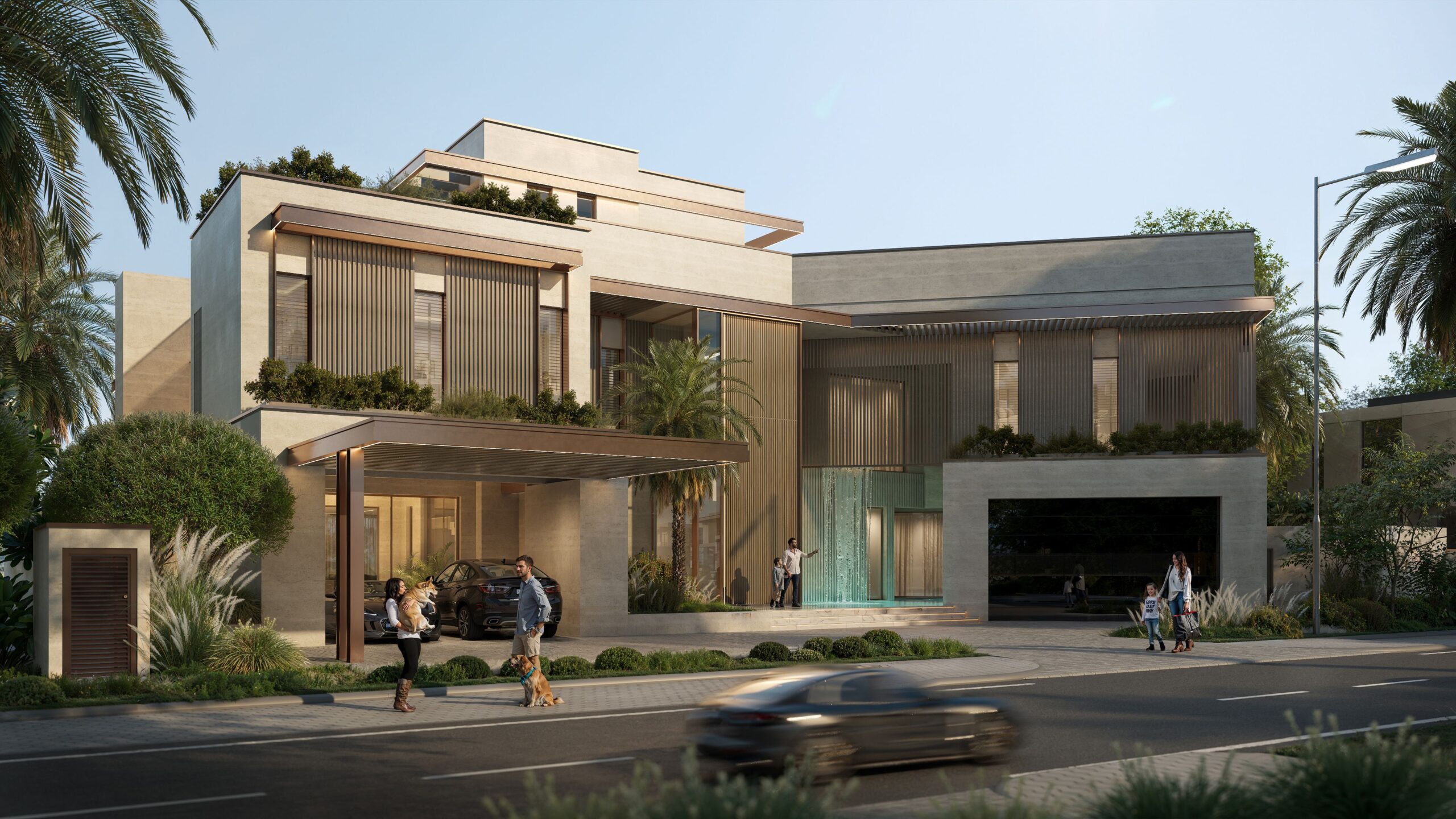
In Dubai’s most coveted residential enclaves, from Palm Jumeirah to emerging coastal districts, the meaning of luxury is undergoing a quiet recalibration. Where once it was defined by scale, novelty or immediate visual impact, it is now increasingly measured by something less conspicuous but far more enduring: longevity. Clients engaging a luxury architect in Dubai or collaborating with established Dubai architects are asking different questions. Not simply how a villa will look at handover, but how it will live. How it will adapt. How it will feel in ten, twenty or even thirty years. This shift has brought long-term luxury villa design in Dubai and future-proof residential architecture in the UAE to the centre of contemporary luxury home design in Dubai. Longevity reframes architectural ambition. It replaces spectacle with clarity, and novelty with durability. Among the best architecture firms in Dubai and top architecture companies in Dubai, value is increasingly tied to performance across time rather than short-term. As Lee Nellis often reflects, true luxury villa design is not revealed on completion day. It reveals itself gradually, in the quiet confidence of a home that continues to feel balanced and relevant long after trends have faded. Sustainable architecture in Dubai and disciplined architecture project management in Dubai now align around this longer horizon, supporting enduring outcomes rather than momentary impact.
Designing for Change Rather Than for Completion
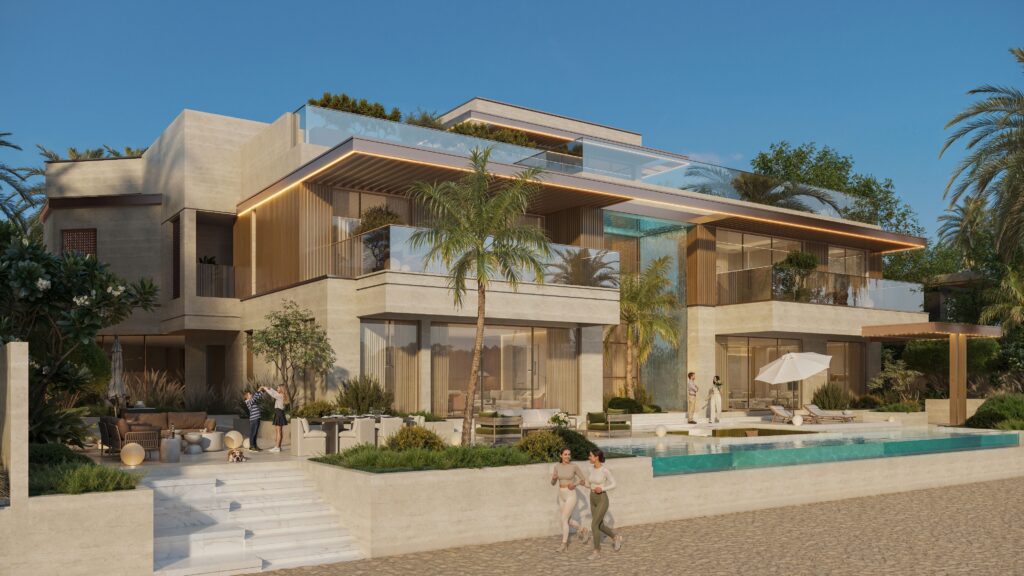 Future-proof residential architecture in the UAE requires a subtle but fundamental shift in mindset. Completion is not the end point. It is the beginning of a building’s life. Families expand. Children grow. Patterns of use evolve. Luxury villa design that anticipates this inevitability prioritises spatial clarity, generous proportions and flexibility rather than rigid formal expression. Long-term luxury villa design in Dubai is increasingly shaped by adaptability rather than fixed statements.
Architectural design services must therefore integrate interior planning from the concept stages. When luxury villa interior design and Dubai villa interior design are conceived alongside structural logic, spaces can evolve without invasive alteration. Collaboration between architectural teams and interior design companies in Dubai becomes essential.
Villa interior design in Dubai that is structurally aligned with architecture allows ceiling heights, circulation and storage to support shifting needs over time. Modern villa interior design increasingly favours neutral architectural frameworks layered with joinery and finishes that can adapt without disrupting spatial coherence.
As Fiona Webb-Johnston often observes, when interior design is properly integrated, it feels inevitable rather than styled. It allows the home to absorb change quietly, without visual disruption.
Smart home automation also supports this adaptability. Adaptive climate systems that learn daily patterns, alongside lighting and shading automations, allow homes to respond to evolving routines. When integrated early within architectural design services, these systems enhance sustainable architecture in Dubai while safeguarding long-term comfort.
Yet technology has its limits. As Matas Belevicius frequently notes, AI tools can improve coordination and reduce technical errors, but they cannot understand emotional nuance or human attachment to space. Architecture remains rooted in judgement and trust. Architecture project management in Dubai ensures that this human intent survives the realities of construction.
Future-proof residential architecture in the UAE requires a subtle but fundamental shift in mindset. Completion is not the end point. It is the beginning of a building’s life. Families expand. Children grow. Patterns of use evolve. Luxury villa design that anticipates this inevitability prioritises spatial clarity, generous proportions and flexibility rather than rigid formal expression. Long-term luxury villa design in Dubai is increasingly shaped by adaptability rather than fixed statements.
Architectural design services must therefore integrate interior planning from the concept stages. When luxury villa interior design and Dubai villa interior design are conceived alongside structural logic, spaces can evolve without invasive alteration. Collaboration between architectural teams and interior design companies in Dubai becomes essential.
Villa interior design in Dubai that is structurally aligned with architecture allows ceiling heights, circulation and storage to support shifting needs over time. Modern villa interior design increasingly favours neutral architectural frameworks layered with joinery and finishes that can adapt without disrupting spatial coherence.
As Fiona Webb-Johnston often observes, when interior design is properly integrated, it feels inevitable rather than styled. It allows the home to absorb change quietly, without visual disruption.
Smart home automation also supports this adaptability. Adaptive climate systems that learn daily patterns, alongside lighting and shading automations, allow homes to respond to evolving routines. When integrated early within architectural design services, these systems enhance sustainable architecture in Dubai while safeguarding long-term comfort.
Yet technology has its limits. As Matas Belevicius frequently notes, AI tools can improve coordination and reduce technical errors, but they cannot understand emotional nuance or human attachment to space. Architecture remains rooted in judgement and trust. Architecture project management in Dubai ensures that this human intent survives the realities of construction.
Materials, Climate and the Reality of Time
Material strategy is perhaps the most tangible expression of longevity. In coastal environments such as Palm Jumeirah, climate imposes its own discipline. Salt exposure, humidity and solar intensity demand honest material decisions. Luxury home design in Dubai that prioritises novelty over durability often struggles to age gracefully. By contrast, a refined luxury architect in Dubai will approach materials with restraint and technical clarity. Long-term luxury villa design in Dubai increasingly favours natural stone, treated timber and carefully engineered façade systems capable of weathering environmental stress while maintaining compositional integrity. Sustainable architecture in Dubai reinforces this material intelligence, pairing aesthetic clarity with life-cycle performance. This predictive approach extends to luxury villa interior design and Dubai villa interior design, where materials are selected for their ability to mature rather than deteriorate. Interior design companies in Dubai working within contemporary villa interior design frameworks increasingly favour finishes that acquire depth over time. Subtle shifts in texture and tone become part of the narrative rather than signs of decline. Technology must be approached with equal foresight. Smart home automation infrastructure should allow for upgrade pathways, ensuring systems evolve discreetly without structural disruption. Luxury villa design that integrates technology quietly protects both daily experience and long-term resale value. As Lee Nellis often notes in discussions around sustainable architecture in Dubai, homes that perform well environmentally tend to perform well emotionally and financially. The alignment of climate intelligence, material restraint and comfort ultimately reinforces long-term value.Architecture as a Human Commitment Across Time
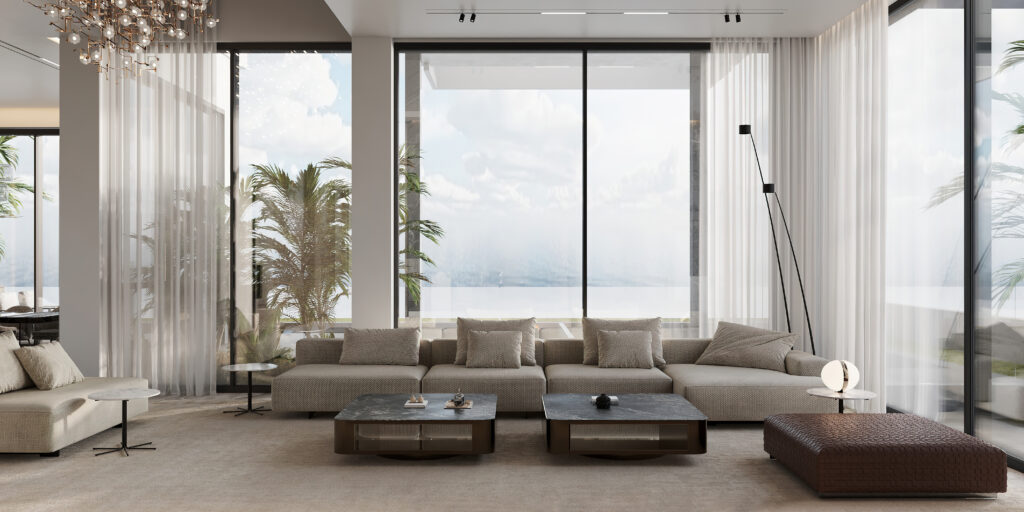 Longevity is becoming the new definition of luxury because it reflects how people truly inhabit space. Long-term luxury villa design in Dubai is not about predicting every future need. It is about designing with enough clarity and flexibility to accommodate change without losing identity. Future-proof residential architecture in the UAE recognises that homes are shaped by relationships, rituals and time. Architecture must quietly support these evolving human dimensions.
The most considered architecture firms in Dubai combine rigorous architectural thinking with a nuanced understanding of behaviour, climate and material performance. On Palm Jumeirah, a timeless luxury architect increasingly prioritises emotional longevity alongside structural durability, ensuring homes remain calm, comfortable and relevant across generations. Luxury villa interior design, discreet smart home automation and sustainable architecture in Dubai all contribute to this endurance, but only when guided by judgement rather than novelty. Architecture project management in Dubai plays a decisive role in protecting this clarity from concept through delivery.
For residential clients in Dubai, the most valuable homes are rarely those that feel newest. They are the ones that continue to feel right. In a city defined by rapid transformation, architecture that ages well becomes the quietest, and perhaps the most powerful, expression of luxury.
Longevity is becoming the new definition of luxury because it reflects how people truly inhabit space. Long-term luxury villa design in Dubai is not about predicting every future need. It is about designing with enough clarity and flexibility to accommodate change without losing identity. Future-proof residential architecture in the UAE recognises that homes are shaped by relationships, rituals and time. Architecture must quietly support these evolving human dimensions.
The most considered architecture firms in Dubai combine rigorous architectural thinking with a nuanced understanding of behaviour, climate and material performance. On Palm Jumeirah, a timeless luxury architect increasingly prioritises emotional longevity alongside structural durability, ensuring homes remain calm, comfortable and relevant across generations. Luxury villa interior design, discreet smart home automation and sustainable architecture in Dubai all contribute to this endurance, but only when guided by judgement rather than novelty. Architecture project management in Dubai plays a decisive role in protecting this clarity from concept through delivery.
For residential clients in Dubai, the most valuable homes are rarely those that feel newest. They are the ones that continue to feel right. In a city defined by rapid transformation, architecture that ages well becomes the quietest, and perhaps the most powerful, expression of luxury.
Design Intent Summary
This article positions longevity as the central measure of contemporary luxury, reframing villa design in Dubai around performance, adaptability and human experience rather than short-term visual impact. It reinforces Nellis Architecture’s philosophy of restraint, clarity and long-term thinking as the foundation of meaningful luxury.Aug 13, 2026
How Dubai’s Climate Shapes Every Decision a Luxury Architect Makes
Aug 14, 2026
Why International Clients Continue to Choose Dubai for Bespoke Residential Architecture
Aug 11, 2026
Can Architecture Make a Luxury Brand More Desirable? The Psychology Behind Premium Retail Design
July 30, 2026
Designing Oceanfront Homes That Feel Private Without Closing Off the View
July 28, 2026
Contemporary Luxury Architecture: What the World’s Best Homes Have in Common
July 9, 2026
Systems Thinking in Architecture: Designing Systems, Not Just Villas
July 7, 2026
UAE Architecture During Global Uncertainty: How Dubai’s Architecture Sector Continues to Grow Through Global Change
July 6, 2026
Architecture and Identity in the UAE | Contemporary Middle Eastern Design | Nellis Architecture
July 5, 2026
Contemporary Luxury Architecture: What the World’s Best Residential Homes Have in Common
July 2, 2026
Dubai as a Global Design Base | Luxury Architect Dubai | Nellis Architecture
June 28, 2026
Smart Home Automation Dubai | What Belongs in a Luxury Villa | Nellis Architecture
June 3, 2026
Designing for Balance, What Traditional Chinese Architecture Teaches Modern UAE Homes
May 31, 2026
Behaviour-Led Luxury Home Design Dubai | Residential Architecture UAE | Nellis Architecture
May 30, 2026
Mediterranean-Inspired Luxury Home Design Dubai | Residential Architecture UAE | Nellis Architecture
May 25, 2026
When Design Is Tested What Actually Matters | Luxury Villa Design Dubai | Nellis Architecture
May 18, 2026
Beyond Aesthetics: Designing Spaces That Last | Luxury Home Design Dubai | Nellis Architecture
May 15, 2026
Architectural Design Across the UAE | Luxury Home Design Dubai | Nellis Architecture
May 8, 2026
How We Approach Dubai Villa Interior Design on Palm Jumeirah | Nellis Architecture
May 6, 2026
How to Choose an Architecture Firm in Dubai | Luxury Villa Design UAE | Nellis Architecture
April 6, 2026
Why Longevity Is Becoming the New Definition of Luxury
April 4, 2026
The Islamic Garden Principles in Contemporary Palm Jumeirah Villa Design
April 2, 2026
The Difference Between Expensive and Valuable in Luxury Architecture
March 30, 2026
The Architecture of Shade in the UAE
March 27, 2026
Living With the Sea: What Coastal Architecture Really Requires on Palm Jumeirah
March 24, 2026
From Mashrabiya to Modern Screens: Privacy in Architecture and What It Means for Dubai Villas Today
February 15, 2026
What Makes a Palm Villa Truly Luxury | Luxury Villa Design Dubai | Nellis Architecture
February 14, 2026
Modern vs Contemporary Villas on the Palm | Luxury Villa Design Dubai | Nellis Architecture
February 13, 2026
How to Maximise Views Without Sacrificing Privacy | Luxury Villa Design Dubai | Nellis Architecture
February 3, 2026
Future-Proofing a Palm Jumeirah Home | Luxury Villa Design Dubai | Nellis Architecture
January 25, 2026
Common Mistakes When Building High-End Homes in Dubai | Luxury Villa Design | Nellis Architecture
December 29, 2025
Indoor–Outdoor Living in the Gulf | Climate, Shading and Landscape | Nellis Architecture
December 24, 2025
Designing Stillness on the Sea | 5-Star Single Residence Winner | Nellis Architecture
December 24, 2025
Designing the Extraordinary: Onyx and the Architecture of Confidence
December 22, 2025
25 Questions: The Art of a Good Architectural Brief | Nellis Architecture
December 18, 2025
Water as Experience | Pools, Rills and Thermal Comfort in Gulf Architecture | Nellis Architecture
December 17, 2025
Nellis Architecture 2025 Reflections: Culture, Clarity and the Year of Momentum
December 15, 2025
The Craft of Time: Why Enduring Architecture Matters
November 25, 2025
Sustainable Architecture for Dubai Homes
November 24, 2025
Miraia, Award-Winning 5-Star Single Residence | International Property Awards 2025
November 21, 2025
Heritage and Innovation in Dubai Architecture: How Tradition Meets Modern Design
November 07, 2025
Beachfront Resilience: Salt, Wind, And Glazing
November 01, 2025
AI In Home Design: Useful Or Hype?
September 30, 2025
Quiet Luxury and the Secret of Wabi-Sabi
September 24, 2025
Bespoke Design for Dubai Homes
August 15, 2025
Full Circle Moments and Firsts: A Conversation with Anastasia, Intern at Nellis Architecture
August 11, 2025
Seeing Beyond the Surface: My Journey in Architectural Visualisation
July 22, 2025
When the Brief Comes Pre-Built. A studio reflection with Pieter, Ben and Quinton | Nellis Architecture
July 9, 2025
Introducing Margaret – and Why Landscape Architecture Isn’t Just “Nice to Have”
July 1, 2025
Living Tomorrow: Reflections on the Future of Home Design
June 3, 2025
Building Trust Not Just Buildings: Marketing the Nellis Way
April 14, 2025
How the World Got Smaller: Architecture, Tech, and Keeping Design Real
May 1, 2025
Crafting Light, Telling Stories: A Reflection on Milan Design Week 2025
March 19, 2025
Using Historical Learnings Today
February 2, 2025
Visiting Vitrocsa in Switzerland: Nellis Architecture x GLASSLINE
January 31, 2025
Crafting Wellness at Nellis Architecture: A Year of Reflection and Growth
December 20, 2024
Nellis Architecture X Bauhaus: The Power of Collaboration in Property Projects
December 6, 2024
Lee Nellis: A Journey Through Architecture
November 6, 2024