



Home / News
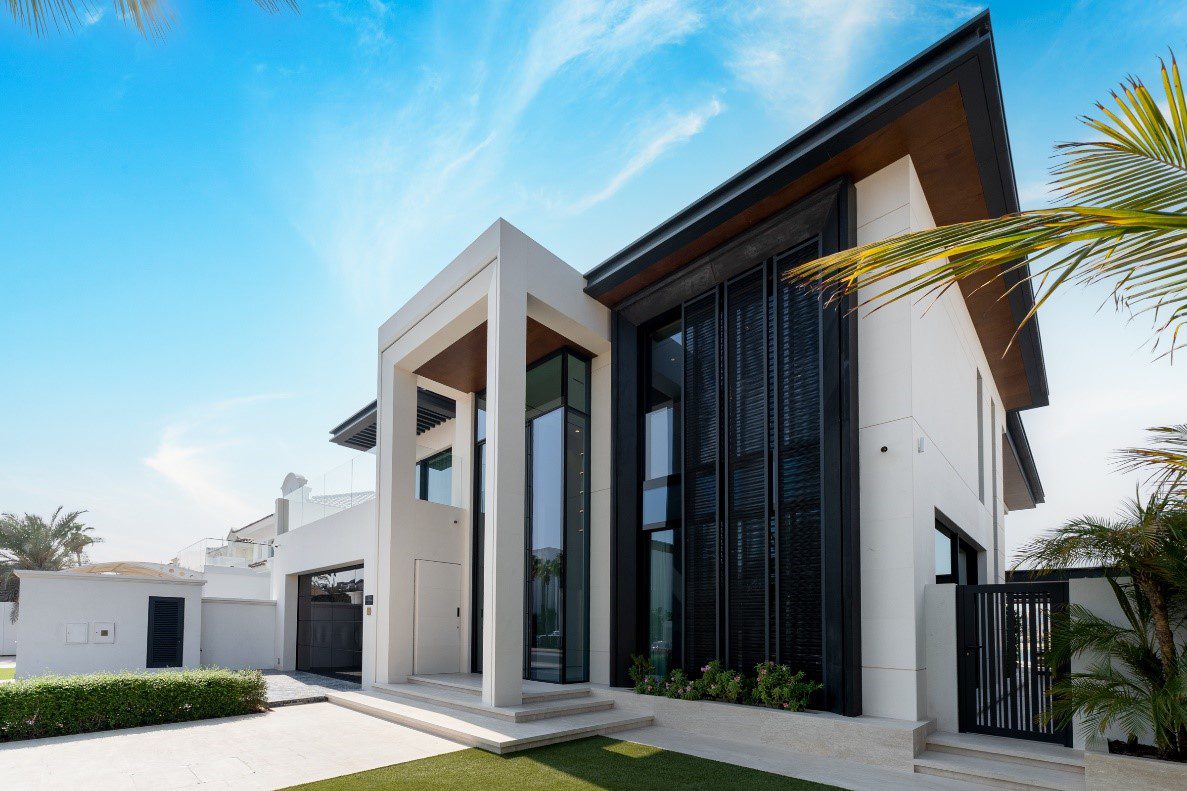
25 Questions: The Art of a Good Architectural Brief | Nellis Architecture
December 22, 2025
Some of the best homes begin with a conversation long before a drawing is made. A design brief is more than a checklist. It is how an architect begins to understand the rhythm of a family, the priorities of a lifestyle, and the way a home should make its occupants feel. The questions asked at the start shape the clarity that follows. At Nellis Architecture, the qualification process is deliberately gentle. It is structured enough to bring definition, yet open enough for clients to express what matters most. The 25 questions we use are not bureaucratic steps. They are invitations, helping both client and architect find the project’s true direction. “Most clients do not start with a perfect brief. They start with a sense of what a home could be,” says Lee Nellis, Principal Architect. “Our job is to ask the right questions so the vision becomes clear, grounded, and buildable.” These 25 questions form the foundation of that clarity.
Why Questions Matter More Than Assumptions
Before exploring budgets, materials, or design language, the purpose of the home must be understood. Whether it is a new build, a major renovation, or a complete reimagining of an existing plot, the role of the architect is to reveal intent. A well-structured set of questions avoids misunderstandings later. It defines expectations, surfaces constraints early, and ensures every choice is purposeful. This begins with technical clarity.Starting With the Essentials
The first part of the qualification process focuses on facts. Built-up area (BUA), Gross Floor Area (GFA), and overall scope determine whether the project requires architecture, interior design, landscape design or all three. Questions that ground the project include:- What is the Built-Up Area (BUA) in square metres
- What is the Gross Floor Area (GFA) in square metres
- Is this a renovation or a new build
- What is the timeline for the project
- What is the full scope of work needed
- Are there regulations or developer requirements we should be aware of
- Are there other consultants or stakeholders already involved
Understanding Vision, Lifestyle, and Priorities
Once the essentials are known, the next set of questions explores how a client lives, what inspires them, and what they value. This part of the conversation includes:- Can you tell us what you are envisioning
- What are the top priorities for this project
- Is there a style, concept, or aesthetic that inspires you
- Which architectural styles do you naturally gravitate towards
- How would you like the interiors to feel
- Are there materials you prefer or want to avoid
- Are there sustainability goals or environmental considerations that matter to you
Mapping the Home Around Real Life
Bedrooms, bathrooms, wellness areas, family zones, guest suites and flexible spaces all influence layout and architectural form. These questions help shape the spatial brief. Lifestyle-focused questions include:- How many bedrooms would you like
- How many bathrooms
- Are there special rooms you would like included
- Would you like to incorporate wellness spaces
- What practical needs should the design support day-to-day
Budget, Procurement, and Decision-Making
A project’s success depends as much on process as it does on design. The final part of the qualifying conversation ensures the architect understands how the project will be delivered:- What is your budget
- What procurement strategy would you prefer
- Who will make the final decisions
- Is the project a family home or commercial property
- Are there other stakeholders or consultants already involved
- How hands-on would you like to be
A Nellis Case Study: Miraia, 2025 International Property Awards
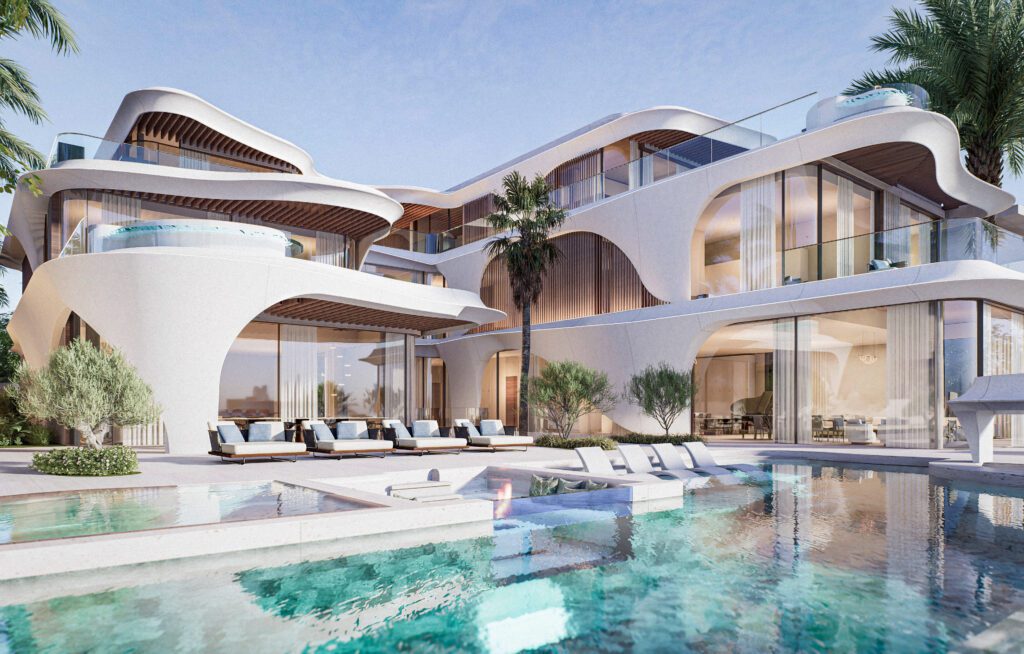 The award-winning Miraia residence demonstrates how the answers to these 25 questions shape a coherent, elegant and deeply personal home. Located on a coastal site and designed around layered terraces, privacy, long water views, and precise interior detailing, Miraia was born from a clear brief: a home that feels sculpted rather than constructed.
Its success at the International Property Awards 2025 is a reminder that the strongest projects begin with clarity, conversation, and shared intention.
The award-winning Miraia residence demonstrates how the answers to these 25 questions shape a coherent, elegant and deeply personal home. Located on a coastal site and designed around layered terraces, privacy, long water views, and precise interior detailing, Miraia was born from a clear brief: a home that feels sculpted rather than constructed.
Its success at the International Property Awards 2025 is a reminder that the strongest projects begin with clarity, conversation, and shared intention.
The Takeaway
Great architecture is built on clarity. These 25 questions help shape a project that is realistic, meaningful, and aligned with a client’s priorities. They set the stage for a transparent relationship, where expectations are understood by both sides from the beginning. The aim is not to interrogate clients, but to partner with them. When people feel listened to, when their needs are understood rather than assumed, the design that follows is naturally more refined, more personal, and more enduring.How Dubai Climate Shapes Every Decision a Luxury Architect Makes
Aug 14, 2026
Why International Clients Continue to Choose Dubai for Bespoke Residential Architecture
Aug 11, 2026
Can Architecture Make a Luxury Brand More Desirable? The Psychology Behind Premium Retail Design
July 30, 2026
Designing Oceanfront Homes That Feel Private Without Closing Off the View
July 28, 2026
Contemporary Luxury Architecture: What the World’s Best Homes Have in Common
July 9, 2026
Systems Thinking in Architecture: Designing Systems, Not Just Villas
July 7, 2026
UAE Architecture During Global Uncertainty: How Dubai’s Architecture Sector Continues to Grow Through Global Change
July 6, 2026
Architecture and Identity in the UAE | Contemporary Middle Eastern Design | Nellis Architecture
July 5, 2026
Contemporary Luxury Architecture: What the World’s Best Residential Homes Have in Common
July 2, 2026
Dubai as a Global Design Base | Luxury Architect Dubai | Nellis Architecture
June 28, 2026
Smart Home Automation Dubai | What Belongs in a Luxury Villa | Nellis Architecture
June 3, 2026
Designing for Balance, What Traditional Chinese Architecture Teaches Modern UAE Homes
May 31, 2026
Behaviour-Led Luxury Home Design Dubai | Residential Architecture UAE | Nellis Architecture
May 30, 2026
Mediterranean-Inspired Luxury Home Design Dubai | Residential Architecture UAE | Nellis Architecture
May 25, 2026
When Design Is Tested What Actually Matters | Luxury Villa Design Dubai | Nellis Architecture
May 18, 2026
Beyond Aesthetics: Designing Spaces That Last | Luxury Home Design Dubai | Nellis Architecture
May 15, 2026
Architectural Design Across the UAE | Luxury Home Design Dubai | Nellis Architecture
May 8, 2026
How We Approach Dubai Villa Interior Design on Palm Jumeirah | Nellis Architecture
May 6, 2026
How to Choose an Architecture Firm in Dubai | Luxury Villa Design UAE | Nellis Architecture
April 6, 2026
Why Longevity Is Becoming the New Definition of Luxury
April 4, 2026
The Islamic Garden Principles in Contemporary Palm Jumeirah Villa Design
April 2, 2026
The Difference Between Expensive and Valuable in Luxury Architecture
March 30, 2026
The Architecture of Shade in the UAE
March 27, 2026
Living With the Sea: What Coastal Architecture Really Requires on Palm Jumeirah
March 24, 2026
From Mashrabiya to Modern Screens: Privacy in Architecture and What It Means for Dubai Villas Today
February 15, 2026
What Makes a Palm Villa Truly Luxury | Luxury Villa Design Dubai | Nellis Architecture
February 14, 2026
Modern vs Contemporary Villas on the Palm | Luxury Villa Design Dubai | Nellis Architecture
February 13, 2026
How to Maximise Views Without Sacrificing Privacy | Luxury Villa Design Dubai | Nellis Architecture
February 3, 2026
Future-Proofing a Palm Jumeirah Home | Luxury Villa Design Dubai | Nellis Architecture
January 25, 2026
Common Mistakes When Building High-End Homes in Dubai | Luxury Villa Design | Nellis Architecture
December 29, 2025
Indoor–Outdoor Living in the Gulf | Climate, Shading and Landscape | Nellis Architecture
December 24, 2025
Designing Stillness on the Sea | 5-Star Single Residence Winner | Nellis Architecture
December 24, 2025
Designing the Extraordinary: Onyx and the Architecture of Confidence
December 22, 2025
25 Questions: The Art of a Good Architectural Brief | Nellis Architecture
December 18, 2025
Water as Experience | Pools, Rills and Thermal Comfort in Gulf Architecture | Nellis Architecture
December 17, 2025
Nellis Architecture 2025 Reflections: Culture, Clarity and the Year of Momentum
December 15, 2025
The Craft of Time: Why Enduring Architecture Matters
November 25, 2025
Sustainable Architecture for Dubai Homes
November 24, 2025
Miraia, Award-Winning 5-Star Single Residence | International Property Awards 2025
November 21, 2025
Heritage and Innovation in Dubai Architecture: How Tradition Meets Modern Design
November 07, 2025
Beachfront Resilience: Salt, Wind, And Glazing
November 01, 2025
AI In Home Design: Useful Or Hype?
September 30, 2025
Quiet Luxury and the Secret of Wabi-Sabi
September 24, 2025
Bespoke Design for Dubai Homes
August 15, 2025
Full Circle Moments and Firsts: A Conversation with Anastasia, Intern at Nellis Architecture
August 11, 2025
Seeing Beyond the Surface: My Journey in Architectural Visualisation
July 22, 2025
When the Brief Comes Pre-Built. A studio reflection with Pieter, Ben and Quinton | Nellis Architecture
July 9, 2025
Introducing Margaret – and Why Landscape Architecture Isn’t Just “Nice to Have”
July 1, 2025
Living Tomorrow: Reflections on the Future of Home Design
June 3, 2025
Building Trust Not Just Buildings: Marketing the Nellis Way
April 14, 2025
How the World Got Smaller: Architecture, Tech, and Keeping Design Real
May 1, 2025
Crafting Light, Telling Stories: A Reflection on Milan Design Week 2025
March 19, 2025
Using Historical Learnings Today
February 2, 2025
Visiting Vitrocsa in Switzerland: Nellis Architecture x GLASSLINE
January 31, 2025
Crafting Wellness at Nellis Architecture: A Year of Reflection and Growth
December 20, 2024
Nellis Architecture X Bauhaus: The Power of Collaboration in Property Projects
December 6, 2024
Lee Nellis: A Journey Through Architecture
November 6, 2024