


Home / News
AI In Home Design: Useful Or Hype?
November 01, 2025
AI in home design helps Dubai architects accelerate architectural design with 3D visualisation, smart-home integrations and automations, yet award-winning architects still lead the human decisions that shape luxury villa design and modern villa interior design.
What AI Does Well For Dubai Homes
As a top architectural firm in Dubai, we use AI to speed the early work of architectural design. 3D visualisation turns options into clear scenes that clients can understand quickly. Generative tools test room layouts, daylight and basic energy behaviour at scale, which is ideal for larger projects and fast production. In the home, smart-home integrations learn preferences, for example an adaptive AC system that sets temperatures by location and time of day. Automations group lighting, blinds, security and audio into scenes that support daily life and villa interior design in Dubai. The result is more time for the design and architect team to refine the brief, and fewer preventable mistakes before drawings reach site.
“Luxury should feel effortless, and that comes from conversations, not presets,” says Lee Nellis, Principal Architect.
Where AI Falls Short And Why Humans Lead
AI reduces errors, but it does not catch everything. Architecture is a human process that carries emotions, ethics and relationships. Dubai architects translate family habits, privacy needs and cultural traditions into spaces that feel natural, which no model can fully predict. Local codes, material behaviour and site logistics still need judgement on the ground.
“On site, my role is to make sure construction follows the drawings and details are executed correctly. We use digital tools, but we do not rely on AI alone. Human inspections and safety sign-offs are part of every step,” says Quinton Murdoch, Associate Architect.
Case Studies: Evergreens Community And Hyderabad Luxury Villas
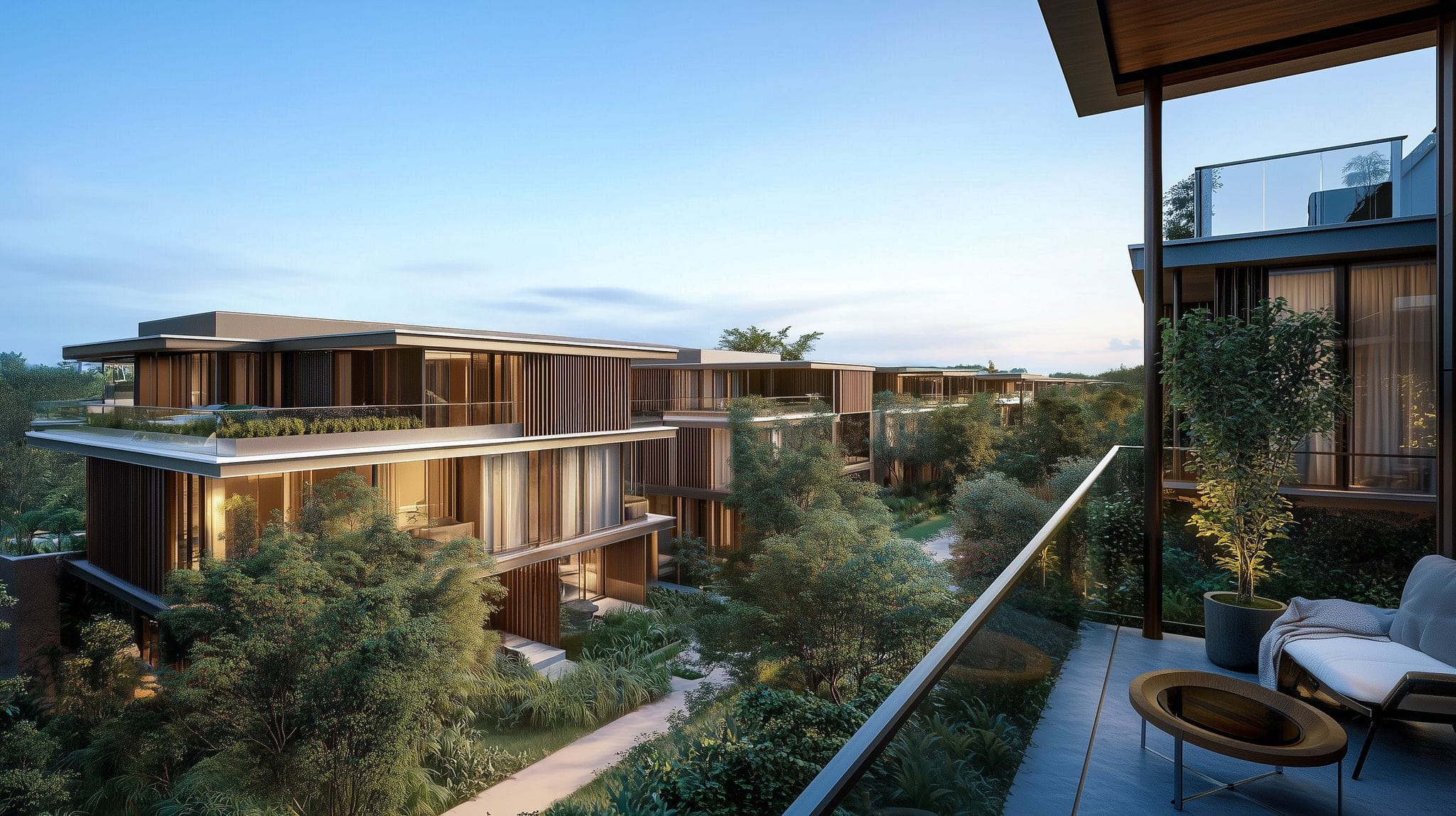
Our Evergreens Community concept shows how AI and people work together. Rapid 3D visualisation and clash checks helped the team compare massing, solar access and pedestrian routes at speed. Human decisions set the character, from courtyard proportions to the choreography of planting and water that cools the microclimate. Smart-home infrastructure is planned for personalisation rather than show, so families can tailor scenes and controls as needs change.
“We use AI to accelerate coordination on larger projects, then tailor details to families and context so the result feels personal and buildable,” says Ben Rutsaert, Senior Architect.
Hyderabad sits in central India with a moderate climate and one of the fastest-growing technology sectors in the world. Its proximity to an international airport and strong road links creates a convenient, vibrant setting for high-end living. Our client’s vision was to develop 106 luxury villas as countryside retreats for city dwellers. The site is bordered by a large eucalyptus forest and mango plantations, so the master plan takes its form from the shape of eucalyptus leaves. Villas are staggered along a series of elevated roads to ensure every home enjoys framed views across the forest. Each villa follows Vastu Shastra principles to support harmony in plan and orientation. Rooftops include a glass infinity pool that becomes a quiet oasis for evening swims in the cooler air.
Beyond the private homes, the wider community includes restaurants, sports and event spaces, and family guest accommodation, with an exclusive clubhouse conceived with the atmosphere of a boutique luxury hotel. The project blends nature, luxury and tradition in a setting that feels restorative yet connected.
February 15, 2026
What Makes a Palm Villa Truly Luxury | Luxury Villa Design Dubai | Nellis Architecture
February 14, 2026
Modern vs Contemporary Villas on the Palm | Luxury Villa Design Dubai | Nellis Architecture
February 13, 2026
How to Maximise Views Without Sacrificing Privacy | Luxury Villa Design Dubai | Nellis Architecture
February 3, 2026
Future-Proofing a Palm Jumeirah Home | Luxury Villa Design Dubai | Nellis Architecture
January 25, 2026
Common Mistakes When Building High-End Homes in Dubai | Luxury Villa Design | Nellis Architecture
December 29, 2025
Indoor–Outdoor Living in the Gulf | Climate, Shading and Landscape | Nellis Architecture
December 24, 2025
Designing Stillness on the Sea | 5-Star Single Residence Winner | Nellis Architecture
December 24, 2025
Designing the Extraordinary: Onyx and the Architecture of Confidence
December 22, 2025
25 Questions: The Art of a Good Architectural Brief | Nellis Architecture
December 18, 2025
Water as Experience | Pools, Rills and Thermal Comfort in Gulf Architecture | Nellis Architecture
December 17, 2025
Nellis Architecture 2025 Reflections: Culture, Clarity and the Year of Momentum
December 15, 2025
The Craft of Time: Why Enduring Architecture Matters
November 25, 2025
Sustainable Architecture for Dubai Homes
November 24, 2025
Miraia, Award-Winning 5-Star Single Residence | International Property Awards 2025
November 21, 2025
Heritage and Innovation in Dubai Architecture: How Tradition Meets Modern Design
November 07, 2025
Beachfront Resilience: Salt, Wind, And Glazing
November 01, 2025
AI In Home Design: Useful Or Hype?
September 30, 2025
Quiet Luxury and the Secret of Wabi-Sabi
September 24, 2025
Bespoke Design for Dubai Homes
August 15, 2025
Full Circle Moments and Firsts: A Conversation with Anastasia, Intern at Nellis Architecture
August 11, 2025
Seeing Beyond the Surface: My Journey in Architectural Visualisation
July 22, 2025
When the Brief Comes Pre-Built. A studio reflection with Pieter, Ben and Quinton | Nellis Architecture
July 9, 2025
Introducing Margaret – and Why Landscape Architecture Isn’t Just “Nice to Have”
July 1, 2025
Living Tomorrow: Reflections on the Future of Home Design
June 3, 2025
Building Trust Not Just Buildings: Marketing the Nellis Way
April 14, 2025
How the World Got Smaller: Architecture, Tech, and Keeping Design Real
May 1, 2025
Crafting Light, Telling Stories: A Reflection on Milan Design Week 2025
March 19, 2025
Using Historical Learnings Today
February 2, 2025
Visiting Vitrocsa in Switzerland: Nellis Architecture x GLASSLINE
January 31, 2025
Crafting Wellness at Nellis Architecture: A Year of Reflection and Growth
December 20, 2024
Nellis Architecture X Bauhaus: The Power of Collaboration in Property Projects
December 6, 2024
Lee Nellis: A Journey Through Architecture
November 6, 2024