


Home / News
The Architecture of Shade in the UAE
March 30, 2026
The Architecture of Shade in the UAE
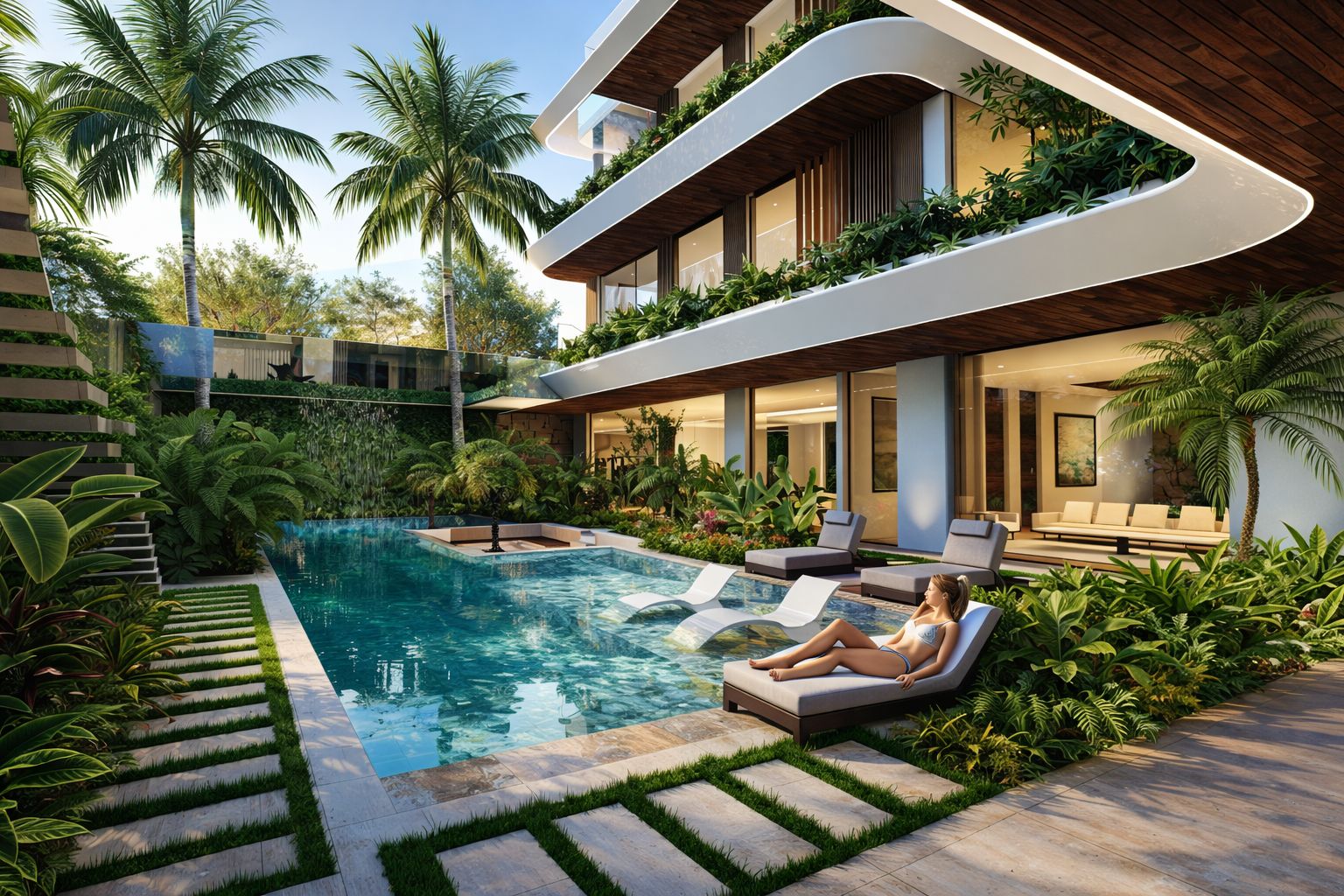
In the UAE, architecture is not simply shaped by climate. It is defined by it. While global luxury architecture often celebrates transparency and uninterrupted glass façades, luxury villa design and luxury home design in Dubai must contend with an entirely different reality. Intense solar exposure, high ambient temperatures and prolonged seasonal heat demand a more disciplined approach. In this environment, shade is not an accessory. It is architecture itself.
Clients working with a luxury architect in Dubai or appointing a leading architectural firm in Dubai increasingly recognise that shading is one of the most powerful spatial tools available. Among established Dubai architects and the best architecture firms in Dubai, shade is treated as fundamental to spatial experience, energy performance and material longevity.
Long-term luxury villa design in Dubai and future-oriented residential architecture in the UAE rely on integrated shading strategies to reduce heat gain, protect façades and create comfortable transitional spaces. As Lee Nellis often notes, in climates such as the UAE, architecture is not only about what is built, but about what is shielded from glare, heat and exposure. Sustainable architecture in Dubai places solar control at the centre of villa design in the UAE, supported by rigorous architecture project management in Dubai to ensure shading systems are executed with precision.
Architectural design services increasingly incorporate solar modelling and seasonal simulation, allowing design teams to test shading performance across the year. In refined coastal settings such as Palm Jumeirah, a timeless luxury villa architect approaches shade not as an applied feature, but as a defining architectural language.
Shade as Spatial Architecture, Not Decoration
 Future-proof residential architecture in the UAE requires shade to be embedded from the earliest stages of design. When shading is treated as a decorative afterthought, buildings often struggle with glare, overheating and inconsistent comfort. In contrast, long-term luxury villa design in Dubai integrates shading into massing, façade articulation and spatial sequencing from the outset.
Deep recesses, layered overhangs, colonnades and perforated screens become structural elements rather than embellishments. Within architecture firms in Dubai and top architecture companies in Dubai, shading is understood as a core architectural gesture, shaping light and proportion while moderating heat.
Luxury villa interior design and refined Dubai villa interior design are deeply influenced by this external shading strategy. Interior design companies in Dubai working closely with architectural teams increasingly consider window orientation, glazing specification and shading coordination as part of a holistic environmental approach. Villa interior design in Dubai often favours filtered daylight rather than unmediated exposure, resulting in interiors that feel calm, balanced and visually composed throughout the day.
Smart home automation strengthens this responsiveness. Automated shading systems track the movement of the sun, adjusting in real time to reduce glare and manage internal temperature. When combined with adaptive cooling systems, these strategies enhance energy efficiency and support sustainable architecture in Dubai. Yet, as Ashley Bothma frequently observes, while AI modelling improves solar calculations and system coordination, it cannot replace human sensitivity to light and spatial comfort. Architecture project management in Dubai ensures that shading concepts are realised accurately through structural detailing and façade construction.
Protecting Materials, Extending Longevity
In the UAE climate, shade is not merely about comfort. It is about preservation. Long-term luxury villa design in Dubai must account for ultraviolet degradation, thermal expansion and surface fatigue caused by constant exposure. Luxury home design in Dubai that incorporates deep shading can significantly extend the lifespan of façades, glazing systems and external finishes.
Sustainable architecture in Dubai increasingly prioritises passive solar control as a means of reducing mechanical load while protecting materials from premature ageing. On Palm Jumeirah, a seasoned luxury architect in Dubai may combine structural overhangs, articulated façades and landscape shading to create layered solar protection that is both technical and poetic.
Internally, luxury villa interior design and contemporary Dubai villa interior design benefit from strong external shading. Interior design companies in Dubai often specify natural materials, textiles and finishes that perform more consistently when shielded from direct sun. Modern villa interior design that combines material restraint with solar protection tends to maintain its visual clarity and tonal consistency over time.
Smart home automation further supports material longevity through automated blinds, responsive glazing and environmental monitoring systems. Architectural design services now frequently include life-cycle analysis, enabling clients to understand how shading strategies contribute to long-term durability. As Quinton Murdoch often remarks, successful architecture does not react to climate; it anticipates it. For many architecture firms in Dubai specialising in residential work, shading strategy is embedded within architecture project management in Dubai from the earliest planning stages, ensuring performance is constructed rather than improvised.
Shade, Culture and the Art of Outdoor Living
Beyond environmental control, shade carries cultural meaning. Across the UAE, shaded courtyards, arcades and terraces have historically formed the social heart of domestic life. Contemporary villa design in the UAE continues this tradition. Long-term luxury villa design in Dubai increasingly treats shaded outdoor rooms as extensions of interior living rather than peripheral amenities.
Landscape architecture in Dubai plays a vital role in reinforcing architectural shading through planting density, pergolas and layered canopies. In coastal settings such as Palm Jumeirah, future-proof residential architecture in the UAE recognises that outdoor comfort is inseparable from lifestyle quality.
Luxury villa design and luxury villa interior design increasingly prioritise seamless transitions between shaded exterior spaces and controlled interior environments. Modern villa interior design often aligns materials, textures and lighting strategies across thresholds to create continuity rather than contrast. The result is a softened boundary where interior and exterior coexist fluidly.
Smart home automation enhances this usability with integrated lighting scenes, temperature balancing and adaptive shading controls. As Lee Nellis often reflects, in hot climates the highest form of luxury is not exposure to the sun, but protection from it.
Across the UAE, the most considered examples of luxury home design in Dubai are those that treat shade as a defining architectural principle. Within the best architecture firms in Dubai and top architecture companies in Dubai, shading is no longer seen as a technical requirement alone. It is a spatial instrument, a cultural reference and a structural language that shapes how homes are experienced across seasons and across time.
Design Intent Summary
This article positions shade as one of the most powerful and defining architectural tools in the UAE, reinforcing Nellis Architecture’s focus on climate intelligence, long term performance and human centred luxury design.
Future-proof residential architecture in the UAE requires shade to be embedded from the earliest stages of design. When shading is treated as a decorative afterthought, buildings often struggle with glare, overheating and inconsistent comfort. In contrast, long-term luxury villa design in Dubai integrates shading into massing, façade articulation and spatial sequencing from the outset.
Deep recesses, layered overhangs, colonnades and perforated screens become structural elements rather than embellishments. Within architecture firms in Dubai and top architecture companies in Dubai, shading is understood as a core architectural gesture, shaping light and proportion while moderating heat.
Luxury villa interior design and refined Dubai villa interior design are deeply influenced by this external shading strategy. Interior design companies in Dubai working closely with architectural teams increasingly consider window orientation, glazing specification and shading coordination as part of a holistic environmental approach. Villa interior design in Dubai often favours filtered daylight rather than unmediated exposure, resulting in interiors that feel calm, balanced and visually composed throughout the day.
Smart home automation strengthens this responsiveness. Automated shading systems track the movement of the sun, adjusting in real time to reduce glare and manage internal temperature. When combined with adaptive cooling systems, these strategies enhance energy efficiency and support sustainable architecture in Dubai. Yet, as Ashley Bothma frequently observes, while AI modelling improves solar calculations and system coordination, it cannot replace human sensitivity to light and spatial comfort. Architecture project management in Dubai ensures that shading concepts are realised accurately through structural detailing and façade construction.
Protecting Materials, Extending Longevity
In the UAE climate, shade is not merely about comfort. It is about preservation. Long-term luxury villa design in Dubai must account for ultraviolet degradation, thermal expansion and surface fatigue caused by constant exposure. Luxury home design in Dubai that incorporates deep shading can significantly extend the lifespan of façades, glazing systems and external finishes.
Sustainable architecture in Dubai increasingly prioritises passive solar control as a means of reducing mechanical load while protecting materials from premature ageing. On Palm Jumeirah, a seasoned luxury architect in Dubai may combine structural overhangs, articulated façades and landscape shading to create layered solar protection that is both technical and poetic.
Internally, luxury villa interior design and contemporary Dubai villa interior design benefit from strong external shading. Interior design companies in Dubai often specify natural materials, textiles and finishes that perform more consistently when shielded from direct sun. Modern villa interior design that combines material restraint with solar protection tends to maintain its visual clarity and tonal consistency over time.
Smart home automation further supports material longevity through automated blinds, responsive glazing and environmental monitoring systems. Architectural design services now frequently include life-cycle analysis, enabling clients to understand how shading strategies contribute to long-term durability. As Quinton Murdoch often remarks, successful architecture does not react to climate; it anticipates it. For many architecture firms in Dubai specialising in residential work, shading strategy is embedded within architecture project management in Dubai from the earliest planning stages, ensuring performance is constructed rather than improvised.
Shade, Culture and the Art of Outdoor Living
Beyond environmental control, shade carries cultural meaning. Across the UAE, shaded courtyards, arcades and terraces have historically formed the social heart of domestic life. Contemporary villa design in the UAE continues this tradition. Long-term luxury villa design in Dubai increasingly treats shaded outdoor rooms as extensions of interior living rather than peripheral amenities.
Landscape architecture in Dubai plays a vital role in reinforcing architectural shading through planting density, pergolas and layered canopies. In coastal settings such as Palm Jumeirah, future-proof residential architecture in the UAE recognises that outdoor comfort is inseparable from lifestyle quality.
Luxury villa design and luxury villa interior design increasingly prioritise seamless transitions between shaded exterior spaces and controlled interior environments. Modern villa interior design often aligns materials, textures and lighting strategies across thresholds to create continuity rather than contrast. The result is a softened boundary where interior and exterior coexist fluidly.
Smart home automation enhances this usability with integrated lighting scenes, temperature balancing and adaptive shading controls. As Lee Nellis often reflects, in hot climates the highest form of luxury is not exposure to the sun, but protection from it.
Across the UAE, the most considered examples of luxury home design in Dubai are those that treat shade as a defining architectural principle. Within the best architecture firms in Dubai and top architecture companies in Dubai, shading is no longer seen as a technical requirement alone. It is a spatial instrument, a cultural reference and a structural language that shapes how homes are experienced across seasons and across time.
Design Intent Summary
This article positions shade as one of the most powerful and defining architectural tools in the UAE, reinforcing Nellis Architecture’s focus on climate intelligence, long term performance and human centred luxury design.
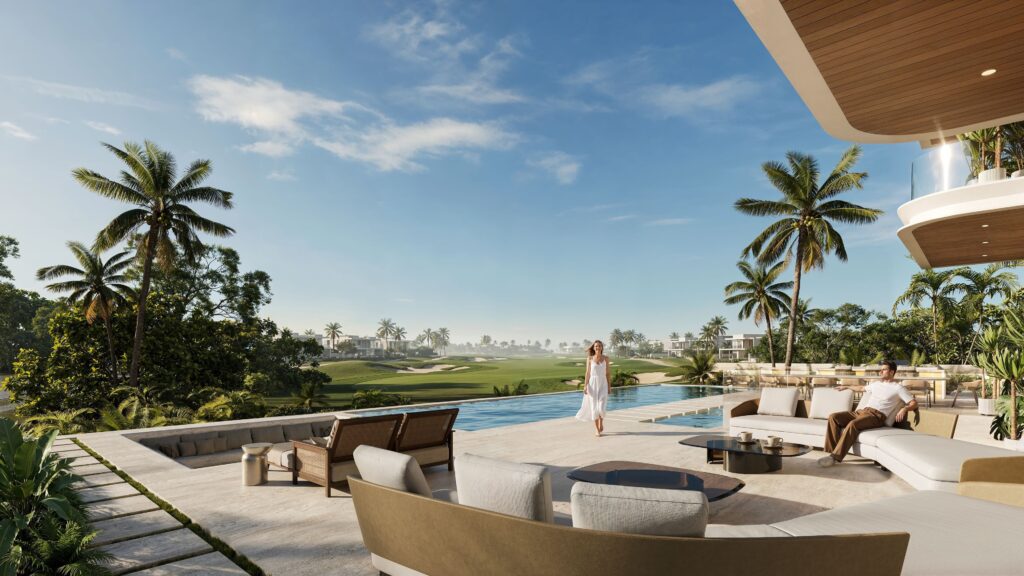 Future-proof residential architecture in the UAE requires shade to be embedded from the earliest stages of design. When shading is treated as a decorative afterthought, buildings often struggle with glare, overheating and inconsistent comfort. In contrast, long-term luxury villa design in Dubai integrates shading into massing, façade articulation and spatial sequencing from the outset.
Deep recesses, layered overhangs, colonnades and perforated screens become structural elements rather than embellishments. Within architecture firms in Dubai and top architecture companies in Dubai, shading is understood as a core architectural gesture, shaping light and proportion while moderating heat.
Luxury villa interior design and refined Dubai villa interior design are deeply influenced by this external shading strategy. Interior design companies in Dubai working closely with architectural teams increasingly consider window orientation, glazing specification and shading coordination as part of a holistic environmental approach. Villa interior design in Dubai often favours filtered daylight rather than unmediated exposure, resulting in interiors that feel calm, balanced and visually composed throughout the day.
Smart home automation strengthens this responsiveness. Automated shading systems track the movement of the sun, adjusting in real time to reduce glare and manage internal temperature. When combined with adaptive cooling systems, these strategies enhance energy efficiency and support sustainable architecture in Dubai. Yet, as Ashley Bothma frequently observes, while AI modelling improves solar calculations and system coordination, it cannot replace human sensitivity to light and spatial comfort. Architecture project management in Dubai ensures that shading concepts are realised accurately through structural detailing and façade construction.
Protecting Materials, Extending Longevity
In the UAE climate, shade is not merely about comfort. It is about preservation. Long-term luxury villa design in Dubai must account for ultraviolet degradation, thermal expansion and surface fatigue caused by constant exposure. Luxury home design in Dubai that incorporates deep shading can significantly extend the lifespan of façades, glazing systems and external finishes.
Sustainable architecture in Dubai increasingly prioritises passive solar control as a means of reducing mechanical load while protecting materials from premature ageing. On Palm Jumeirah, a seasoned luxury architect in Dubai may combine structural overhangs, articulated façades and landscape shading to create layered solar protection that is both technical and poetic.
Internally, luxury villa interior design and contemporary Dubai villa interior design benefit from strong external shading. Interior design companies in Dubai often specify natural materials, textiles and finishes that perform more consistently when shielded from direct sun. Modern villa interior design that combines material restraint with solar protection tends to maintain its visual clarity and tonal consistency over time.
Smart home automation further supports material longevity through automated blinds, responsive glazing and environmental monitoring systems. Architectural design services now frequently include life-cycle analysis, enabling clients to understand how shading strategies contribute to long-term durability. As Quinton Murdoch often remarks, successful architecture does not react to climate; it anticipates it. For many architecture firms in Dubai specialising in residential work, shading strategy is embedded within architecture project management in Dubai from the earliest planning stages, ensuring performance is constructed rather than improvised.
Future-proof residential architecture in the UAE requires shade to be embedded from the earliest stages of design. When shading is treated as a decorative afterthought, buildings often struggle with glare, overheating and inconsistent comfort. In contrast, long-term luxury villa design in Dubai integrates shading into massing, façade articulation and spatial sequencing from the outset.
Deep recesses, layered overhangs, colonnades and perforated screens become structural elements rather than embellishments. Within architecture firms in Dubai and top architecture companies in Dubai, shading is understood as a core architectural gesture, shaping light and proportion while moderating heat.
Luxury villa interior design and refined Dubai villa interior design are deeply influenced by this external shading strategy. Interior design companies in Dubai working closely with architectural teams increasingly consider window orientation, glazing specification and shading coordination as part of a holistic environmental approach. Villa interior design in Dubai often favours filtered daylight rather than unmediated exposure, resulting in interiors that feel calm, balanced and visually composed throughout the day.
Smart home automation strengthens this responsiveness. Automated shading systems track the movement of the sun, adjusting in real time to reduce glare and manage internal temperature. When combined with adaptive cooling systems, these strategies enhance energy efficiency and support sustainable architecture in Dubai. Yet, as Ashley Bothma frequently observes, while AI modelling improves solar calculations and system coordination, it cannot replace human sensitivity to light and spatial comfort. Architecture project management in Dubai ensures that shading concepts are realised accurately through structural detailing and façade construction.
Protecting Materials, Extending Longevity
In the UAE climate, shade is not merely about comfort. It is about preservation. Long-term luxury villa design in Dubai must account for ultraviolet degradation, thermal expansion and surface fatigue caused by constant exposure. Luxury home design in Dubai that incorporates deep shading can significantly extend the lifespan of façades, glazing systems and external finishes.
Sustainable architecture in Dubai increasingly prioritises passive solar control as a means of reducing mechanical load while protecting materials from premature ageing. On Palm Jumeirah, a seasoned luxury architect in Dubai may combine structural overhangs, articulated façades and landscape shading to create layered solar protection that is both technical and poetic.
Internally, luxury villa interior design and contemporary Dubai villa interior design benefit from strong external shading. Interior design companies in Dubai often specify natural materials, textiles and finishes that perform more consistently when shielded from direct sun. Modern villa interior design that combines material restraint with solar protection tends to maintain its visual clarity and tonal consistency over time.
Smart home automation further supports material longevity through automated blinds, responsive glazing and environmental monitoring systems. Architectural design services now frequently include life-cycle analysis, enabling clients to understand how shading strategies contribute to long-term durability. As Quinton Murdoch often remarks, successful architecture does not react to climate; it anticipates it. For many architecture firms in Dubai specialising in residential work, shading strategy is embedded within architecture project management in Dubai from the earliest planning stages, ensuring performance is constructed rather than improvised.
 Shade, Culture and the Art of Outdoor Living
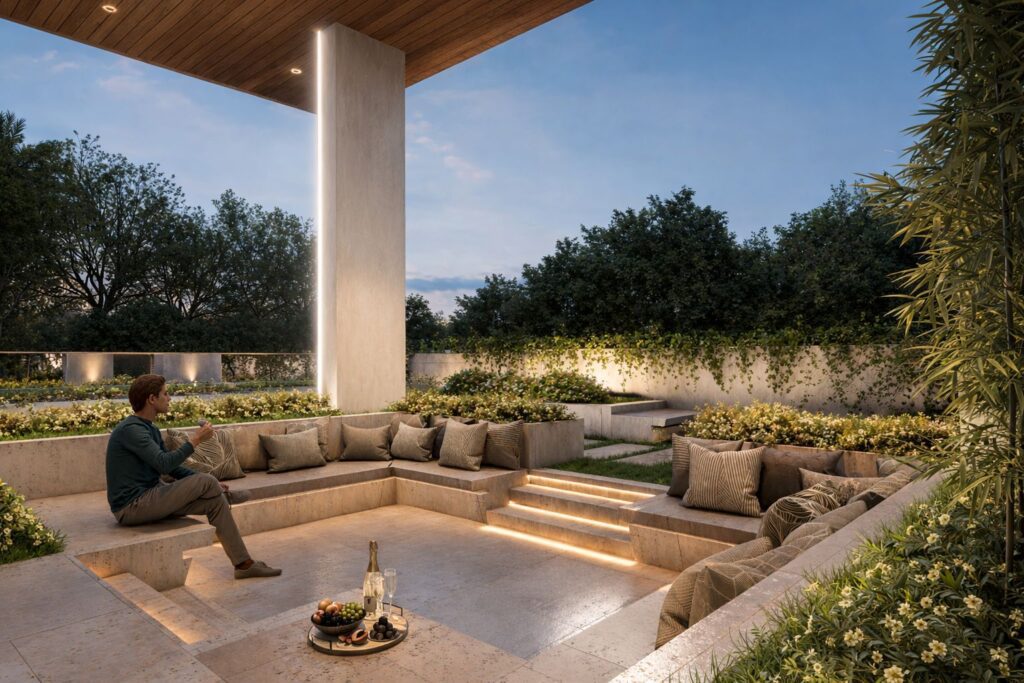
Beyond environmental control, shade carries cultural meaning. Across the UAE, shaded courtyards, arcades and terraces have historically formed the social heart of domestic life. Contemporary villa design in the UAE continues this tradition. Long-term luxury villa design in Dubai increasingly treats shaded outdoor rooms as extensions of interior living rather than peripheral amenities.
Landscape architecture in Dubai plays a vital role in reinforcing architectural shading through planting density, pergolas and layered canopies. In coastal settings such as Palm Jumeirah, future-proof residential architecture in the UAE recognises that outdoor comfort is inseparable from lifestyle quality.
Luxury villa design and luxury villa interior design increasingly prioritise seamless transitions between shaded exterior spaces and controlled interior environments. Modern villa interior design often aligns materials, textures and lighting strategies across thresholds to create continuity rather than contrast. The result is a softened boundary where interior and exterior coexist fluidly.
Smart home automation enhances this usability with integrated lighting scenes, temperature balancing and adaptive shading controls. As Lee Nellis often reflects, in hot climates the highest form of luxury is not exposure to the sun, but protection from it.
Across the UAE, the most considered examples of luxury home design in Dubai are those that treat shade as a defining architectural principle. Within the best architecture firms in Dubai and top architecture companies in Dubai, shading is no longer seen as a technical requirement alone. It is a spatial instrument, a cultural reference and a structural language that shapes how homes are experienced across seasons and across time.
Design Intent Summary
This article positions shade as one of the most powerful and defining architectural tools in the UAE, reinforcing Nellis Architecture’s focus on climate intelligence, long term performance and human centred luxury design.
Shade, Culture and the Art of Outdoor Living
Beyond environmental control, shade carries cultural meaning. Across the UAE, shaded courtyards, arcades and terraces have historically formed the social heart of domestic life. Contemporary villa design in the UAE continues this tradition. Long-term luxury villa design in Dubai increasingly treats shaded outdoor rooms as extensions of interior living rather than peripheral amenities.
Landscape architecture in Dubai plays a vital role in reinforcing architectural shading through planting density, pergolas and layered canopies. In coastal settings such as Palm Jumeirah, future-proof residential architecture in the UAE recognises that outdoor comfort is inseparable from lifestyle quality.
Luxury villa design and luxury villa interior design increasingly prioritise seamless transitions between shaded exterior spaces and controlled interior environments. Modern villa interior design often aligns materials, textures and lighting strategies across thresholds to create continuity rather than contrast. The result is a softened boundary where interior and exterior coexist fluidly.
Smart home automation enhances this usability with integrated lighting scenes, temperature balancing and adaptive shading controls. As Lee Nellis often reflects, in hot climates the highest form of luxury is not exposure to the sun, but protection from it.
Across the UAE, the most considered examples of luxury home design in Dubai are those that treat shade as a defining architectural principle. Within the best architecture firms in Dubai and top architecture companies in Dubai, shading is no longer seen as a technical requirement alone. It is a spatial instrument, a cultural reference and a structural language that shapes how homes are experienced across seasons and across time.
Design Intent Summary
This article positions shade as one of the most powerful and defining architectural tools in the UAE, reinforcing Nellis Architecture’s focus on climate intelligence, long term performance and human centred luxury design. March 30, 2026
The Architecture of Shade in the UAE
March 27, 2026
Living With the Sea: What Coastal Architecture Really Requires on Palm Jumeirah
March 24, 2026
From Mashrabiya to Modern Screens: Privacy in Architecture and What It Means for Dubai Villas Today
February 15, 2026
What Makes a Palm Villa Truly Luxury | Luxury Villa Design Dubai | Nellis Architecture
February 14, 2026
Modern vs Contemporary Villas on the Palm | Luxury Villa Design Dubai | Nellis Architecture
February 13, 2026
How to Maximise Views Without Sacrificing Privacy | Luxury Villa Design Dubai | Nellis Architecture
February 3, 2026
Future-Proofing a Palm Jumeirah Home | Luxury Villa Design Dubai | Nellis Architecture
January 25, 2026
Common Mistakes When Building High-End Homes in Dubai | Luxury Villa Design | Nellis Architecture
December 29, 2025
Indoor–Outdoor Living in the Gulf | Climate, Shading and Landscape | Nellis Architecture
December 24, 2025
Designing Stillness on the Sea | 5-Star Single Residence Winner | Nellis Architecture
December 24, 2025
Designing the Extraordinary: Onyx and the Architecture of Confidence
December 22, 2025
25 Questions: The Art of a Good Architectural Brief | Nellis Architecture
December 18, 2025
Water as Experience | Pools, Rills and Thermal Comfort in Gulf Architecture | Nellis Architecture
December 17, 2025
Nellis Architecture 2025 Reflections: Culture, Clarity and the Year of Momentum
December 15, 2025
The Craft of Time: Why Enduring Architecture Matters
November 25, 2025
Sustainable Architecture for Dubai Homes
November 24, 2025
Miraia, Award-Winning 5-Star Single Residence | International Property Awards 2025
November 21, 2025
Heritage and Innovation in Dubai Architecture: How Tradition Meets Modern Design
November 07, 2025
Beachfront Resilience: Salt, Wind, And Glazing
November 01, 2025
AI In Home Design: Useful Or Hype?
September 30, 2025
Quiet Luxury and the Secret of Wabi-Sabi
September 24, 2025
Bespoke Design for Dubai Homes
August 15, 2025
Full Circle Moments and Firsts: A Conversation with Anastasia, Intern at Nellis Architecture
August 11, 2025
Seeing Beyond the Surface: My Journey in Architectural Visualisation
July 22, 2025
When the Brief Comes Pre-Built. A studio reflection with Pieter, Ben and Quinton | Nellis Architecture
July 9, 2025
Introducing Margaret – and Why Landscape Architecture Isn’t Just “Nice to Have”
July 1, 2025
Living Tomorrow: Reflections on the Future of Home Design
June 3, 2025
Building Trust Not Just Buildings: Marketing the Nellis Way
April 14, 2025
How the World Got Smaller: Architecture, Tech, and Keeping Design Real
May 1, 2025
Crafting Light, Telling Stories: A Reflection on Milan Design Week 2025
March 19, 2025
Using Historical Learnings Today
February 2, 2025
Visiting Vitrocsa in Switzerland: Nellis Architecture x GLASSLINE
January 31, 2025
Crafting Wellness at Nellis Architecture: A Year of Reflection and Growth
December 20, 2024
Nellis Architecture X Bauhaus: The Power of Collaboration in Property Projects
December 6, 2024
Lee Nellis: A Journey Through Architecture
November 6, 2024