



Home / News
Designing for Balance, What Traditional Chinese Architecture Teaches Modern UAE Homes
June 3, 2026
Across Dubai’s most established residential communities, from Palm Jumeirah to Emirates Hills, there is a growing refinement in how luxury homes are being designed. Materials are becoming more controlled. Layouts are becoming more open. Visual clarity is often prioritised. Yet despite this, many spaces still feel slightly unresolved. Not because they are poorly designed, but because they lack a sense of balance. This is not always immediately visible. A home may appear cohesive, well detailed and technically sound, yet still feel difficult to settle into. Movement may feel abrupt. Spaces may feel disconnected. The overall experience may lack a sense of continuity. This is where the concept of balance becomes important, not as a visual idea, but as a spatial and behavioural one. Traditional Chinese architecture has long understood this distinction. Its focus has never been limited to how a building looks in isolation, but how it is experienced through movement, sequence and rhythm. Spaces are not simply arranged, they are composed to guide behaviour. This approach offers a useful reference point for contemporary residential architecture in the UAE, where speed of development can sometimes prioritise efficiency over experience. Among Dubai architects and architecture firms in Dubai, there is increasing recognition that luxury is not defined by scale alone. It is defined by how a space feels over time. As Lee Nellis often reflects, the most successful homes are those that feel immediately comfortable, not because they are simple, but because they are aligned with how people naturally move and live.
Flow and Sequence, How Spaces Connect
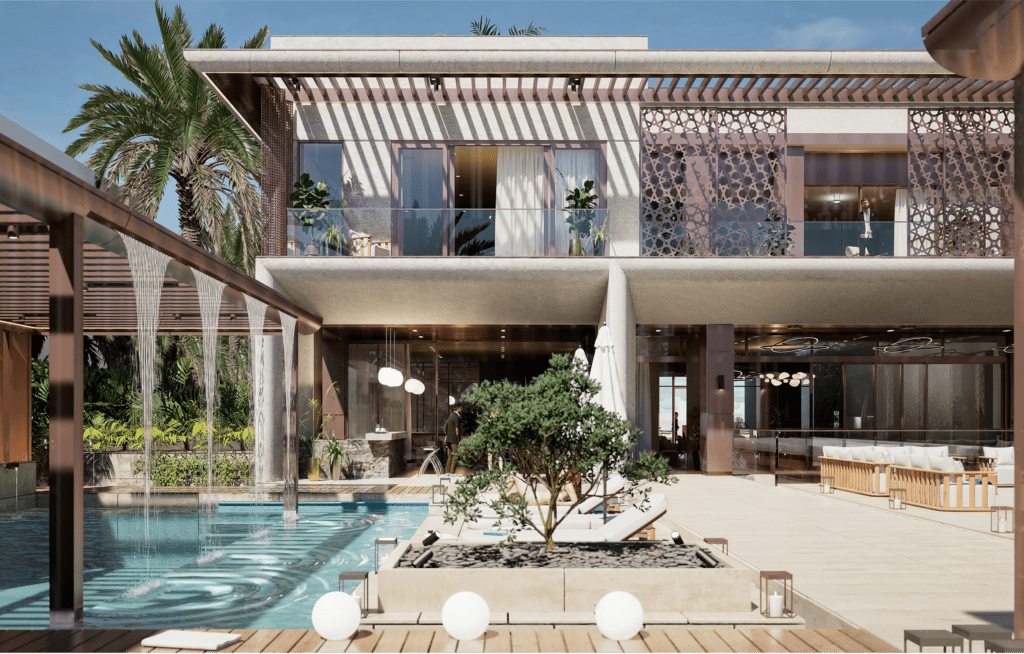 One of the most fundamental principles in traditional Chinese architecture is flow. Spaces are rarely entered directly. Movement is guided through a sequence of transitions that prepare the mind for what comes next. This creates a sense of continuity that is often missing in more abrupt layouts.
In many contemporary villas, particularly within high-end developments, spaces can feel overly direct. Large living areas may open immediately from the entrance. Circulation is often prioritised over experience. While this can feel efficient, it can also reduce the sense of progression that makes a home feel intuitive.
In villa design across Palm Jumeirah and Emirates Hills, this is becoming more apparent. Homes that feel balanced tend to introduce subtle transitions. This might be a change in ceiling height, a shift in material or a slight adjustment in direction. These moments are not dramatic, but they allow the experience of the space to unfold gradually.
Architectural design services that prioritise flow create environments that feel easier to navigate. Movement becomes natural rather than directed. Smart home automation can support this by adjusting lighting or temperature as people move through different areas, reinforcing the sense of progression. However, the underlying spatial logic must be established first.
As Quinton Murdoch often notes, well considered sequencing during design leads to clearer execution on site. When spaces are designed to flow naturally, they are more likely to retain that clarity through construction.
One of the most fundamental principles in traditional Chinese architecture is flow. Spaces are rarely entered directly. Movement is guided through a sequence of transitions that prepare the mind for what comes next. This creates a sense of continuity that is often missing in more abrupt layouts.
In many contemporary villas, particularly within high-end developments, spaces can feel overly direct. Large living areas may open immediately from the entrance. Circulation is often prioritised over experience. While this can feel efficient, it can also reduce the sense of progression that makes a home feel intuitive.
In villa design across Palm Jumeirah and Emirates Hills, this is becoming more apparent. Homes that feel balanced tend to introduce subtle transitions. This might be a change in ceiling height, a shift in material or a slight adjustment in direction. These moments are not dramatic, but they allow the experience of the space to unfold gradually.
Architectural design services that prioritise flow create environments that feel easier to navigate. Movement becomes natural rather than directed. Smart home automation can support this by adjusting lighting or temperature as people move through different areas, reinforcing the sense of progression. However, the underlying spatial logic must be established first.
As Quinton Murdoch often notes, well considered sequencing during design leads to clearer execution on site. When spaces are designed to flow naturally, they are more likely to retain that clarity through construction.
Courtyards, Thresholds and Emotional Reset
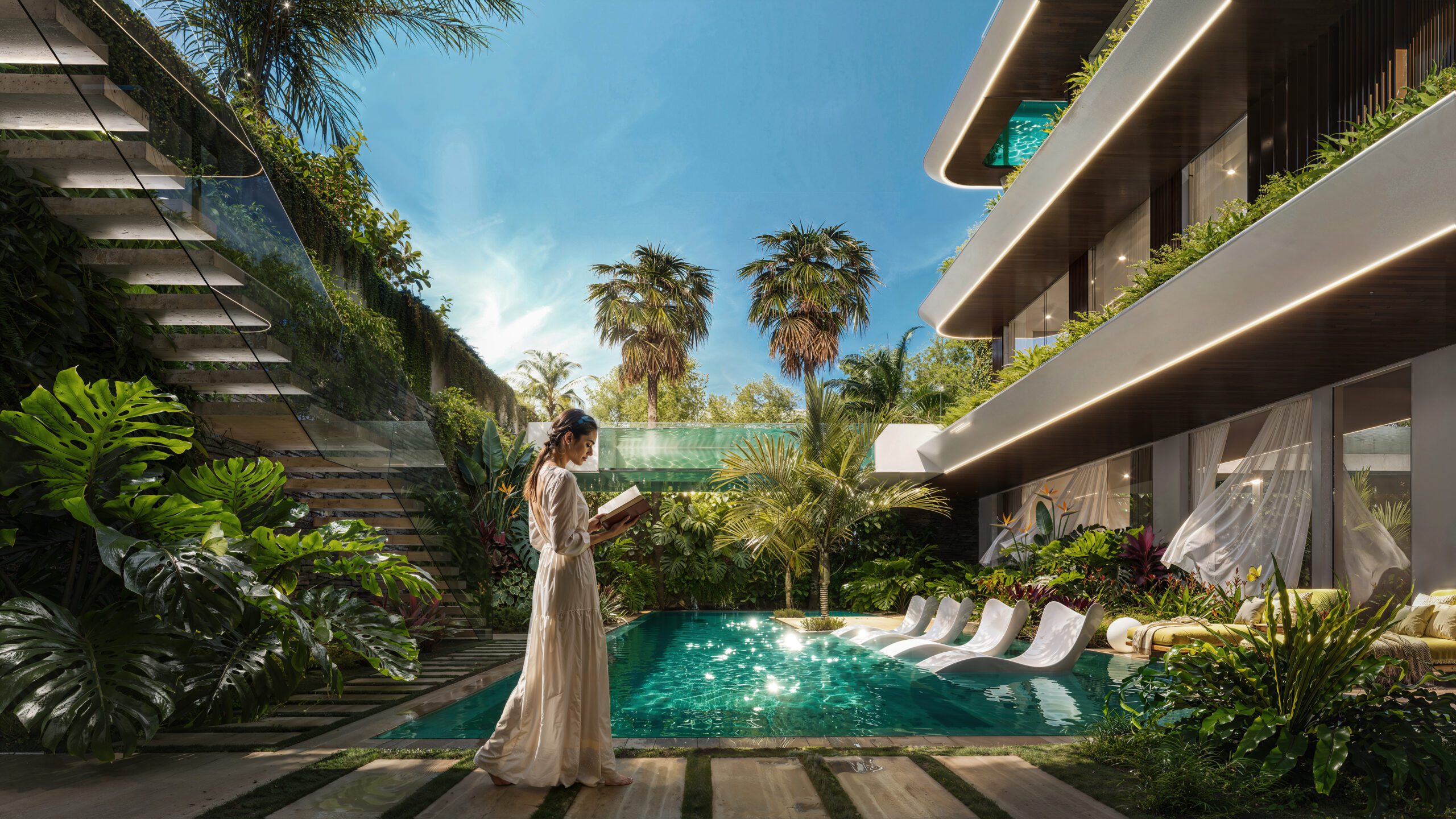
Another defining characteristic of traditional Chinese architecture is the use of courtyards and thresholds. These elements act as pauses within the spatial sequence, allowing the mind to reset before entering the next environment. In the UAE, where climate plays a significant role in how spaces are used, this principle is particularly relevant. Courtyards, shaded terraces and transitional outdoor areas can provide moments of relief, both physically and psychologically. They break the continuity of enclosed space and introduce variation. In luxury home design in Dubai, these ideas are increasingly being reinterpreted. Rather than replicating traditional forms, architects are adapting the underlying principles to suit local conditions. Courtyards may become internal gardens, shaded atriums or semi-enclosed outdoor rooms that can be used throughout the year. Dubai villa interior design is also evolving in this direction. Interior design companies in Dubai are creating spaces that transition more gradually between functions, allowing for shifts in mood and activity. This might involve layering materials, adjusting lighting or introducing subtle separations within open plan layouts. Water and natural elements play an important role in this process. Even in small amounts, they introduce movement and reflection that help to stabilise the environment. As Margaret Pluta has observed, landscape is not separate from architecture. It is part of how a space regulates experience. Sustainable architecture in Dubai supports this through passive cooling strategies. Shaded courtyards, airflow corridors and controlled light exposure not only improve comfort, but also contribute to a more balanced spatial experience.Light, Nature and Functional Balance
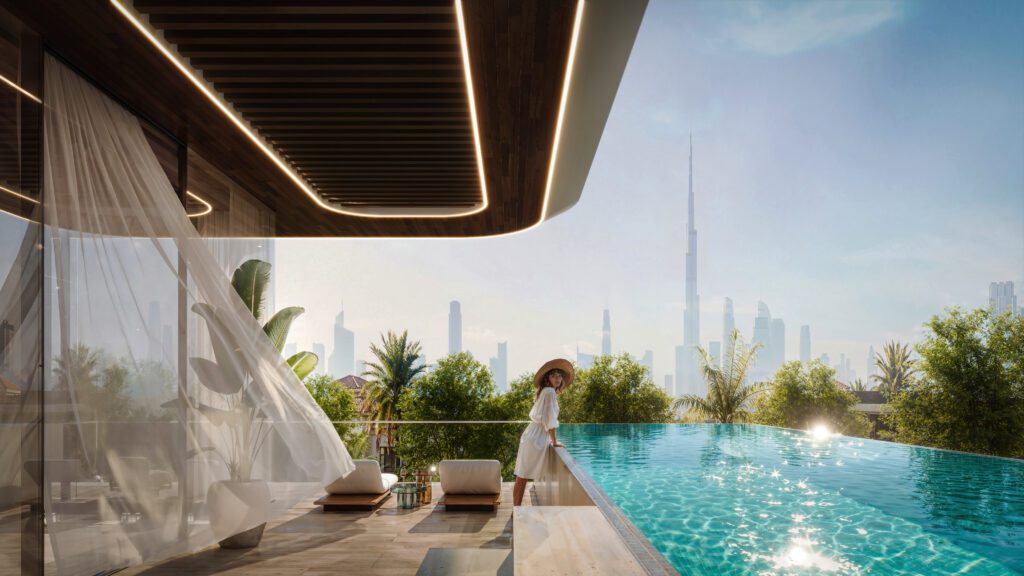 Balance in architecture is not achieved through symmetry alone. It is created through the interaction of light, material and environment. Traditional Chinese architecture uses these elements carefully, ensuring that spaces remain responsive to both time of day and changing conditions.
In the UAE, this principle is particularly important due to the intensity of natural light. Spaces that do not manage this effectively can feel harsh or overexposed. By contrast, environments that filter and layer light tend to feel more controlled and comfortable.
In villa design across the UAE, this is leading to a more nuanced approach. Openings are positioned to allow light to enter indirectly. Shading devices are used to create variation rather than complete enclosure. Materials are selected for how they interact with light, rather than simply how they appear.
Smart home automation enhances this by allowing lighting and shading systems to respond dynamically. However, these systems are most effective when they complement the architectural intent. Technology can refine balance, but it cannot create it independently.
Advanced 3D visualisation tools allow architecture firms in Dubai to test these interactions before construction. By simulating how light moves through a space, designers can ensure that balance is maintained throughout the day.
Architecture project management in Dubai ensures that these decisions are executed accurately. Small deviations in material or alignment can significantly affect how light behaves, making precision essential.
Balance in architecture is not achieved through symmetry alone. It is created through the interaction of light, material and environment. Traditional Chinese architecture uses these elements carefully, ensuring that spaces remain responsive to both time of day and changing conditions.
In the UAE, this principle is particularly important due to the intensity of natural light. Spaces that do not manage this effectively can feel harsh or overexposed. By contrast, environments that filter and layer light tend to feel more controlled and comfortable.
In villa design across the UAE, this is leading to a more nuanced approach. Openings are positioned to allow light to enter indirectly. Shading devices are used to create variation rather than complete enclosure. Materials are selected for how they interact with light, rather than simply how they appear.
Smart home automation enhances this by allowing lighting and shading systems to respond dynamically. However, these systems are most effective when they complement the architectural intent. Technology can refine balance, but it cannot create it independently.
Advanced 3D visualisation tools allow architecture firms in Dubai to test these interactions before construction. By simulating how light moves through a space, designers can ensure that balance is maintained throughout the day.
Architecture project management in Dubai ensures that these decisions are executed accurately. Small deviations in material or alignment can significantly affect how light behaves, making precision essential.
Designing Spaces That Feel Balanced
The key lesson from traditional Chinese architecture is not stylistic, it is behavioural. Balance is not something that is added at the end of a project. It is embedded from the beginning, through how spaces are arranged, how they connect and how they respond to their environment. In contemporary UAE developments, this requires a shift in approach. Rather than focusing solely on visual clarity or efficiency, design must consider how a space will be experienced over time. This includes how people move through it, how they transition between areas and how the environment responds to different conditions. Long term luxury villa design in Dubai increasingly reflects this thinking. Homes are designed to support variation, allowing for different modes of living without requiring significant adjustment. This creates a sense of stability that is not dependent on constant change. Interior design companies in Dubai are working more closely with architects to ensure that this balance is maintained across all aspects of a project. Materials, lighting and layout are developed together, creating a cohesive environment that feels resolved. As Lee Nellis often notes, balance is not something people consciously look for, but they immediately feel its absence. The most successful homes are those that do not need to assert themselves. They simply feel right. We design spaces that feel balanced, not just built.How Dubai Climate Shapes Every Decision a Luxury Architect Makes
Aug 14, 2026
Why International Clients Continue to Choose Dubai for Bespoke Residential Architecture
Aug 11, 2026
Can Architecture Make a Luxury Brand More Desirable? The Psychology Behind Premium Retail Design
July 30, 2026
Designing Oceanfront Homes That Feel Private Without Closing Off the View
July 28, 2026
Contemporary Luxury Architecture: What the World’s Best Homes Have in Common
July 9, 2026
Systems Thinking in Architecture: Designing Systems, Not Just Villas
July 7, 2026
UAE Architecture During Global Uncertainty: How Dubai’s Architecture Sector Continues to Grow Through Global Change
July 6, 2026
Architecture and Identity in the UAE | Contemporary Middle Eastern Design | Nellis Architecture
July 5, 2026
Contemporary Luxury Architecture: What the World’s Best Residential Homes Have in Common
July 2, 2026
Dubai as a Global Design Base | Luxury Architect Dubai | Nellis Architecture
June 28, 2026
Smart Home Automation Dubai | What Belongs in a Luxury Villa | Nellis Architecture
June 3, 2026
Designing for Balance, What Traditional Chinese Architecture Teaches Modern UAE Homes
May 31, 2026
Behaviour-Led Luxury Home Design Dubai | Residential Architecture UAE | Nellis Architecture
May 30, 2026
Mediterranean-Inspired Luxury Home Design Dubai | Residential Architecture UAE | Nellis Architecture
May 25, 2026
When Design Is Tested What Actually Matters | Luxury Villa Design Dubai | Nellis Architecture
May 18, 2026
Beyond Aesthetics: Designing Spaces That Last | Luxury Home Design Dubai | Nellis Architecture
May 15, 2026
Architectural Design Across the UAE | Luxury Home Design Dubai | Nellis Architecture
May 8, 2026
How We Approach Dubai Villa Interior Design on Palm Jumeirah | Nellis Architecture
May 6, 2026
How to Choose an Architecture Firm in Dubai | Luxury Villa Design UAE | Nellis Architecture
April 6, 2026
Why Longevity Is Becoming the New Definition of Luxury
April 4, 2026
The Islamic Garden Principles in Contemporary Palm Jumeirah Villa Design
April 2, 2026
The Difference Between Expensive and Valuable in Luxury Architecture
March 30, 2026
The Architecture of Shade in the UAE
March 27, 2026
Living With the Sea: What Coastal Architecture Really Requires on Palm Jumeirah
March 24, 2026
From Mashrabiya to Modern Screens: Privacy in Architecture and What It Means for Dubai Villas Today
February 15, 2026
What Makes a Palm Villa Truly Luxury | Luxury Villa Design Dubai | Nellis Architecture
February 14, 2026
Modern vs Contemporary Villas on the Palm | Luxury Villa Design Dubai | Nellis Architecture
February 13, 2026
How to Maximise Views Without Sacrificing Privacy | Luxury Villa Design Dubai | Nellis Architecture
February 3, 2026
Future-Proofing a Palm Jumeirah Home | Luxury Villa Design Dubai | Nellis Architecture
January 25, 2026
Common Mistakes When Building High-End Homes in Dubai | Luxury Villa Design | Nellis Architecture
December 29, 2025
Indoor–Outdoor Living in the Gulf | Climate, Shading and Landscape | Nellis Architecture
December 24, 2025
Designing Stillness on the Sea | 5-Star Single Residence Winner | Nellis Architecture
December 24, 2025
Designing the Extraordinary: Onyx and the Architecture of Confidence
December 22, 2025
25 Questions: The Art of a Good Architectural Brief | Nellis Architecture
December 18, 2025
Water as Experience | Pools, Rills and Thermal Comfort in Gulf Architecture | Nellis Architecture
December 17, 2025
Nellis Architecture 2025 Reflections: Culture, Clarity and the Year of Momentum
December 15, 2025
The Craft of Time: Why Enduring Architecture Matters
November 25, 2025
Sustainable Architecture for Dubai Homes
November 24, 2025
Miraia, Award-Winning 5-Star Single Residence | International Property Awards 2025
November 21, 2025
Heritage and Innovation in Dubai Architecture: How Tradition Meets Modern Design
November 07, 2025
Beachfront Resilience: Salt, Wind, And Glazing
November 01, 2025
AI In Home Design: Useful Or Hype?
September 30, 2025
Quiet Luxury and the Secret of Wabi-Sabi
September 24, 2025
Bespoke Design for Dubai Homes
August 15, 2025
Full Circle Moments and Firsts: A Conversation with Anastasia, Intern at Nellis Architecture
August 11, 2025
Seeing Beyond the Surface: My Journey in Architectural Visualisation
July 22, 2025
When the Brief Comes Pre-Built. A studio reflection with Pieter, Ben and Quinton | Nellis Architecture
July 9, 2025
Introducing Margaret – and Why Landscape Architecture Isn’t Just “Nice to Have”
July 1, 2025
Living Tomorrow: Reflections on the Future of Home Design
June 3, 2025
Building Trust Not Just Buildings: Marketing the Nellis Way
April 14, 2025
How the World Got Smaller: Architecture, Tech, and Keeping Design Real
May 1, 2025
Crafting Light, Telling Stories: A Reflection on Milan Design Week 2025
March 19, 2025
Using Historical Learnings Today
February 2, 2025
Visiting Vitrocsa in Switzerland: Nellis Architecture x GLASSLINE
January 31, 2025
Crafting Wellness at Nellis Architecture: A Year of Reflection and Growth
December 20, 2024
Nellis Architecture X Bauhaus: The Power of Collaboration in Property Projects
December 6, 2024
Lee Nellis: A Journey Through Architecture
November 6, 2024