



Home / News
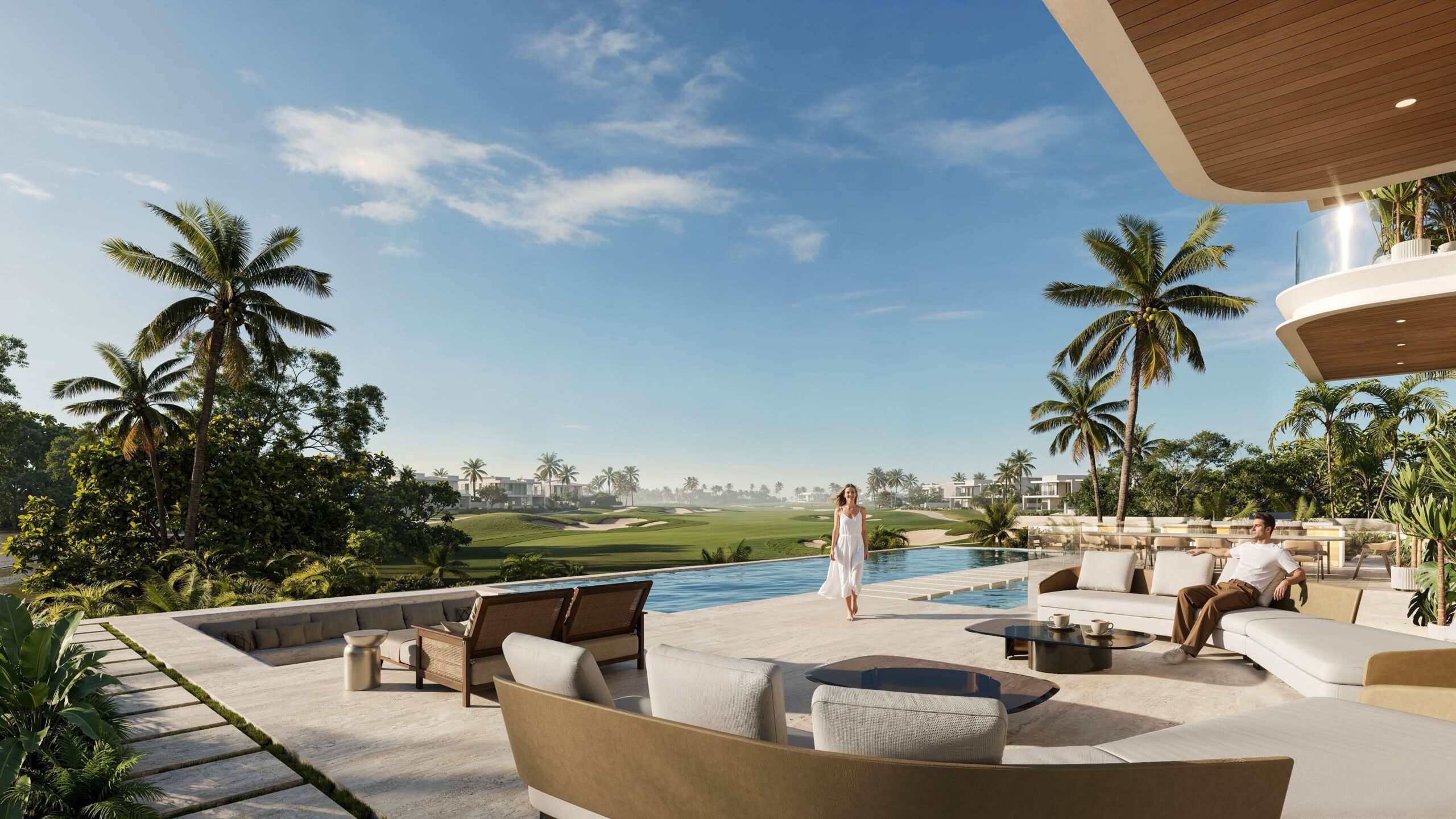
When Design Is Tested What Actually Matters | Luxury Villa Design Dubai | Nellis Architecture
May 25, 2026
Across Dubai’s most established residential communities, from Palm Jumeirah to Emirates Hills, there is a consistent moment that reveals more about a building than any completion photograph ever could. It is not the day the project is handed over. It is what happens after. The first summer. The first full year of use. The point at which materials settle, systems are tested and the rhythms of daily life begin to shape how the space is experienced. This is where the distinction between design that impresses and design that endures becomes clear. In luxury villa design in Dubai, much of the focus remains on how a home appears at completion. Clean lines, refined finishes, carefully curated material palettes. These are important, but they are not the full measure of quality. Among Dubai architects and architecture firms in Dubai, there is growing recognition that the real benchmark is not how a home looks on day one, but how it performs over time. As Lee Nellis often reflects, the success of a space is not defined at handover. It is defined by how consistently it works in the years that follow.
Durability Beyond Surface Appearance
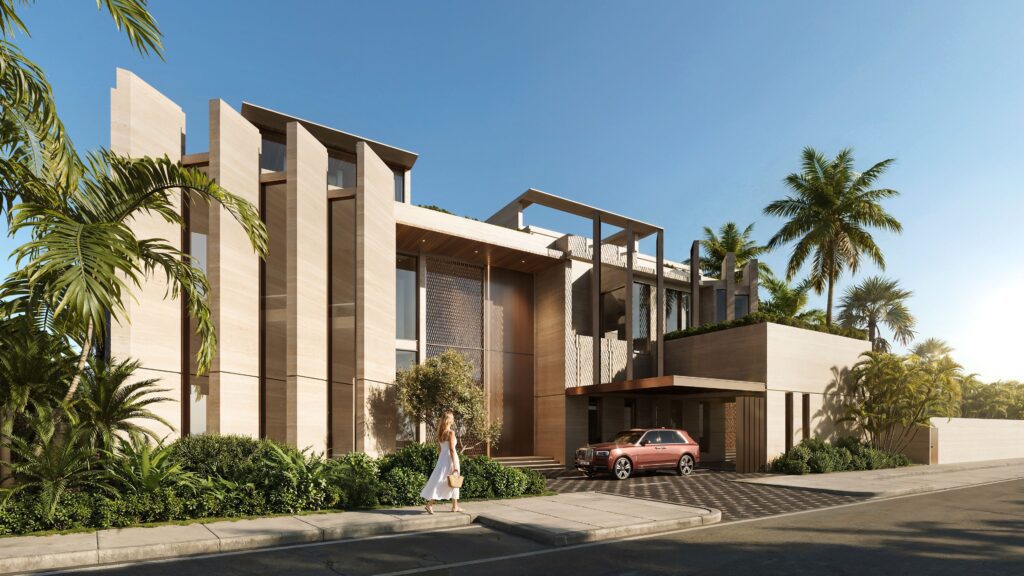 Durability is often misunderstood as a purely technical requirement. Something addressed through specifications and compliance. In reality, it is a design decision that shapes the long-term experience of a home.
Surfaces that appear flawless at completion can begin to show signs of stress when exposed to daily use and environmental conditions. Materials expand, contract and respond to light, heat and humidity. Finishes that were selected for visual impact may begin to lose clarity, creating a subtle but persistent sense of decline. In luxury home design in Dubai, this is particularly relevant. The climate places continuous pressure on materials. Heat, solar exposure and coastal conditions all contribute to how surfaces age.
Architectural design services that prioritise durability consider how materials behave, not just how they appear. Stone is selected for its ability to maintain stability under temperature variation. Metals are specified with finishes that resist corrosion. Timber is chosen with an understanding of how it will respond to humidity changes.
As Quinton Murdoch often notes, durability is not about making a building indestructible. It is about ensuring that it continues to feel resolved over time. When materials perform consistently, the space retains its clarity.
Durability is often misunderstood as a purely technical requirement. Something addressed through specifications and compliance. In reality, it is a design decision that shapes the long-term experience of a home.
Surfaces that appear flawless at completion can begin to show signs of stress when exposed to daily use and environmental conditions. Materials expand, contract and respond to light, heat and humidity. Finishes that were selected for visual impact may begin to lose clarity, creating a subtle but persistent sense of decline. In luxury home design in Dubai, this is particularly relevant. The climate places continuous pressure on materials. Heat, solar exposure and coastal conditions all contribute to how surfaces age.
Architectural design services that prioritise durability consider how materials behave, not just how they appear. Stone is selected for its ability to maintain stability under temperature variation. Metals are specified with finishes that resist corrosion. Timber is chosen with an understanding of how it will respond to humidity changes.
As Quinton Murdoch often notes, durability is not about making a building indestructible. It is about ensuring that it continues to feel resolved over time. When materials perform consistently, the space retains its clarity.
Materials That Maintain Performance Under Stress
The true test of any material is not its initial condition, but how it responds under stress. In Palm Jumeirah, where salt air and humidity are constant factors, materials behave differently than they would in other regions. Finishes that perform well in more temperate climates may degrade more quickly here if not properly considered. This is where material intelligence becomes critical. Sustainable architecture in Dubai reinforces this approach by prioritising materials that work with the environment rather than against it. Surfaces that absorb and diffuse light reduce visual fatigue. Materials that age naturally maintain continuity rather than requiring replacement. In Dubai villa interior design, this thinking extends beyond the exterior. Interior finishes are subject to daily use, movement and environmental fluctuation. Flooring, joinery and wall finishes must be selected not only for appearance, but for resilience. Smart home automation also plays a role, particularly in managing climate conditions. Systems that regulate temperature, shading and airflow reduce stress on materials, extending their performance. However, as with all technology, these systems must support a well-considered architectural foundation.Why Long-Term Integrity Defines Quality
The difference between buildings that endure and those that don’t is revealed over time, not in a single moment. Spaces that were designed primarily for initial impact often require adjustment over time. Materials need replacement. Systems require correction. Details that appeared resolved begin to feel less so. The experience of the space changes. By contrast, homes designed with long-term integrity in mind remain consistent. They adapt to use without losing clarity. They respond to environmental conditions without visible strain. They continue to feel considered. In luxury villa design in Dubai, this is increasingly becoming the defining measure of quality. Clients are not only investing in a moment of completion, but in a home that will remain relevant and functional over years and decades. Architecture project management in Dubai ensures that this intention is carried through construction. Precision in detailing, coordination between disciplines and careful execution all contribute to maintaining integrity. As Matas Belevicius often notes, quality is not about how much is added to a building. It is about how well it holds together over time.Designing for What Comes After Completion
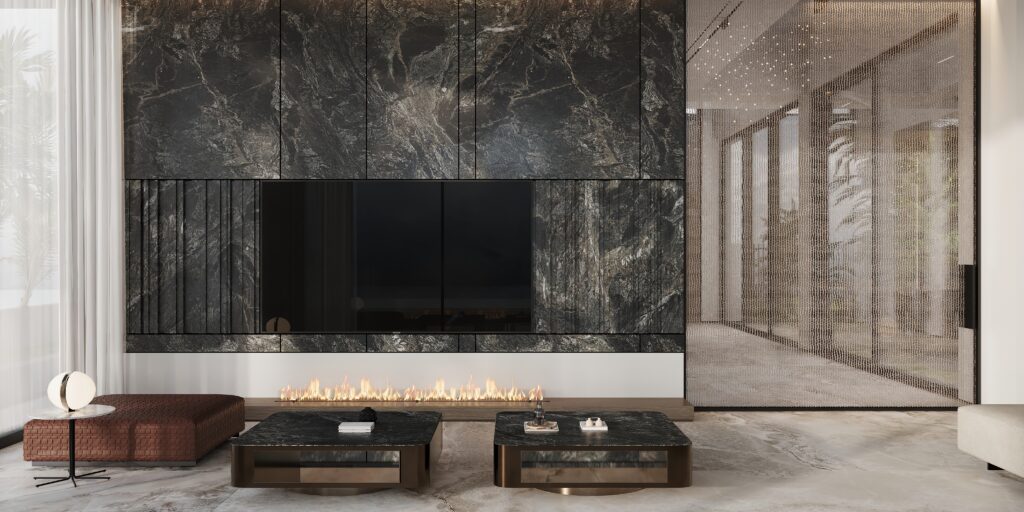 The most effective architecture is designed with an understanding of what happens after it is finished. This includes how materials will age, how systems will perform and how spaces will be used. It requires a shift from designing for presentation to designing for performance. Interior design companies in Dubai are increasingly aligning with this approach, working more closely with architects to ensure that material, spatial and environmental decisions support long-term use. Smart home automation, when integrated early, enhances this performance. It allows the home to adapt to changing conditions without requiring constant intervention. However, it is not a substitute for strong design. It is a layer that supports it. Long term luxury villa design in Dubai is moving towards this model. Homes are conceived not as static objects, but as environments that evolve while maintaining consistency.
As Ashley Bothma often reflects, the true measure of architecture is not how it is received at completion, but how it is lived in over time. Durability, in this sense, is not about resistance. It is about continuity. A home that maintains its performance, its clarity and its sense of balance long after the initial moment of completion has passed.
The most effective architecture is designed with an understanding of what happens after it is finished. This includes how materials will age, how systems will perform and how spaces will be used. It requires a shift from designing for presentation to designing for performance. Interior design companies in Dubai are increasingly aligning with this approach, working more closely with architects to ensure that material, spatial and environmental decisions support long-term use. Smart home automation, when integrated early, enhances this performance. It allows the home to adapt to changing conditions without requiring constant intervention. However, it is not a substitute for strong design. It is a layer that supports it. Long term luxury villa design in Dubai is moving towards this model. Homes are conceived not as static objects, but as environments that evolve while maintaining consistency.
As Ashley Bothma often reflects, the true measure of architecture is not how it is received at completion, but how it is lived in over time. Durability, in this sense, is not about resistance. It is about continuity. A home that maintains its performance, its clarity and its sense of balance long after the initial moment of completion has passed. How Dubai Climate Shapes Every Decision a Luxury Architect Makes
Aug 14, 2026
Why International Clients Continue to Choose Dubai for Bespoke Residential Architecture
Aug 11, 2026
Can Architecture Make a Luxury Brand More Desirable? The Psychology Behind Premium Retail Design
July 30, 2026
Designing Oceanfront Homes That Feel Private Without Closing Off the View
July 28, 2026
Contemporary Luxury Architecture: What the World’s Best Homes Have in Common
July 9, 2026
Systems Thinking in Architecture: Designing Systems, Not Just Villas
July 7, 2026
UAE Architecture During Global Uncertainty: How Dubai’s Architecture Sector Continues to Grow Through Global Change
July 6, 2026
Architecture and Identity in the UAE | Contemporary Middle Eastern Design | Nellis Architecture
July 5, 2026
Contemporary Luxury Architecture: What the World’s Best Residential Homes Have in Common
July 2, 2026
Dubai as a Global Design Base | Luxury Architect Dubai | Nellis Architecture
June 28, 2026
Smart Home Automation Dubai | What Belongs in a Luxury Villa | Nellis Architecture
June 3, 2026
Designing for Balance, What Traditional Chinese Architecture Teaches Modern UAE Homes
May 31, 2026
Behaviour-Led Luxury Home Design Dubai | Residential Architecture UAE | Nellis Architecture
May 30, 2026
Mediterranean-Inspired Luxury Home Design Dubai | Residential Architecture UAE | Nellis Architecture
May 25, 2026
When Design Is Tested What Actually Matters | Luxury Villa Design Dubai | Nellis Architecture
May 18, 2026
Beyond Aesthetics: Designing Spaces That Last | Luxury Home Design Dubai | Nellis Architecture
May 15, 2026
Architectural Design Across the UAE | Luxury Home Design Dubai | Nellis Architecture
May 8, 2026
How We Approach Dubai Villa Interior Design on Palm Jumeirah | Nellis Architecture
May 6, 2026
How to Choose an Architecture Firm in Dubai | Luxury Villa Design UAE | Nellis Architecture
April 6, 2026
Why Longevity Is Becoming the New Definition of Luxury
April 4, 2026
The Islamic Garden Principles in Contemporary Palm Jumeirah Villa Design
April 2, 2026
The Difference Between Expensive and Valuable in Luxury Architecture
March 30, 2026
The Architecture of Shade in the UAE
March 27, 2026
Living With the Sea: What Coastal Architecture Really Requires on Palm Jumeirah
March 24, 2026
From Mashrabiya to Modern Screens: Privacy in Architecture and What It Means for Dubai Villas Today
February 15, 2026
What Makes a Palm Villa Truly Luxury | Luxury Villa Design Dubai | Nellis Architecture
February 14, 2026
Modern vs Contemporary Villas on the Palm | Luxury Villa Design Dubai | Nellis Architecture
February 13, 2026
How to Maximise Views Without Sacrificing Privacy | Luxury Villa Design Dubai | Nellis Architecture
February 3, 2026
Future-Proofing a Palm Jumeirah Home | Luxury Villa Design Dubai | Nellis Architecture
January 25, 2026
Common Mistakes When Building High-End Homes in Dubai | Luxury Villa Design | Nellis Architecture
December 29, 2025
Indoor–Outdoor Living in the Gulf | Climate, Shading and Landscape | Nellis Architecture
December 24, 2025
Designing Stillness on the Sea | 5-Star Single Residence Winner | Nellis Architecture
December 24, 2025
Designing the Extraordinary: Onyx and the Architecture of Confidence
December 22, 2025
25 Questions: The Art of a Good Architectural Brief | Nellis Architecture
December 18, 2025
Water as Experience | Pools, Rills and Thermal Comfort in Gulf Architecture | Nellis Architecture
December 17, 2025
Nellis Architecture 2025 Reflections: Culture, Clarity and the Year of Momentum
December 15, 2025
The Craft of Time: Why Enduring Architecture Matters
November 25, 2025
Sustainable Architecture for Dubai Homes
November 24, 2025
Miraia, Award-Winning 5-Star Single Residence | International Property Awards 2025
November 21, 2025
Heritage and Innovation in Dubai Architecture: How Tradition Meets Modern Design
November 07, 2025
Beachfront Resilience: Salt, Wind, And Glazing
November 01, 2025
AI In Home Design: Useful Or Hype?
September 30, 2025
Quiet Luxury and the Secret of Wabi-Sabi
September 24, 2025
Bespoke Design for Dubai Homes
August 15, 2025
Full Circle Moments and Firsts: A Conversation with Anastasia, Intern at Nellis Architecture
August 11, 2025
Seeing Beyond the Surface: My Journey in Architectural Visualisation
July 22, 2025
When the Brief Comes Pre-Built. A studio reflection with Pieter, Ben and Quinton | Nellis Architecture
July 9, 2025
Introducing Margaret – and Why Landscape Architecture Isn’t Just “Nice to Have”
July 1, 2025
Living Tomorrow: Reflections on the Future of Home Design
June 3, 2025
Building Trust Not Just Buildings: Marketing the Nellis Way
April 14, 2025
How the World Got Smaller: Architecture, Tech, and Keeping Design Real
May 1, 2025
Crafting Light, Telling Stories: A Reflection on Milan Design Week 2025
March 19, 2025
Using Historical Learnings Today
February 2, 2025
Visiting Vitrocsa in Switzerland: Nellis Architecture x GLASSLINE
January 31, 2025
Crafting Wellness at Nellis Architecture: A Year of Reflection and Growth
December 20, 2024
Nellis Architecture X Bauhaus: The Power of Collaboration in Property Projects
December 6, 2024
Lee Nellis: A Journey Through Architecture
November 6, 2024