



Home / News
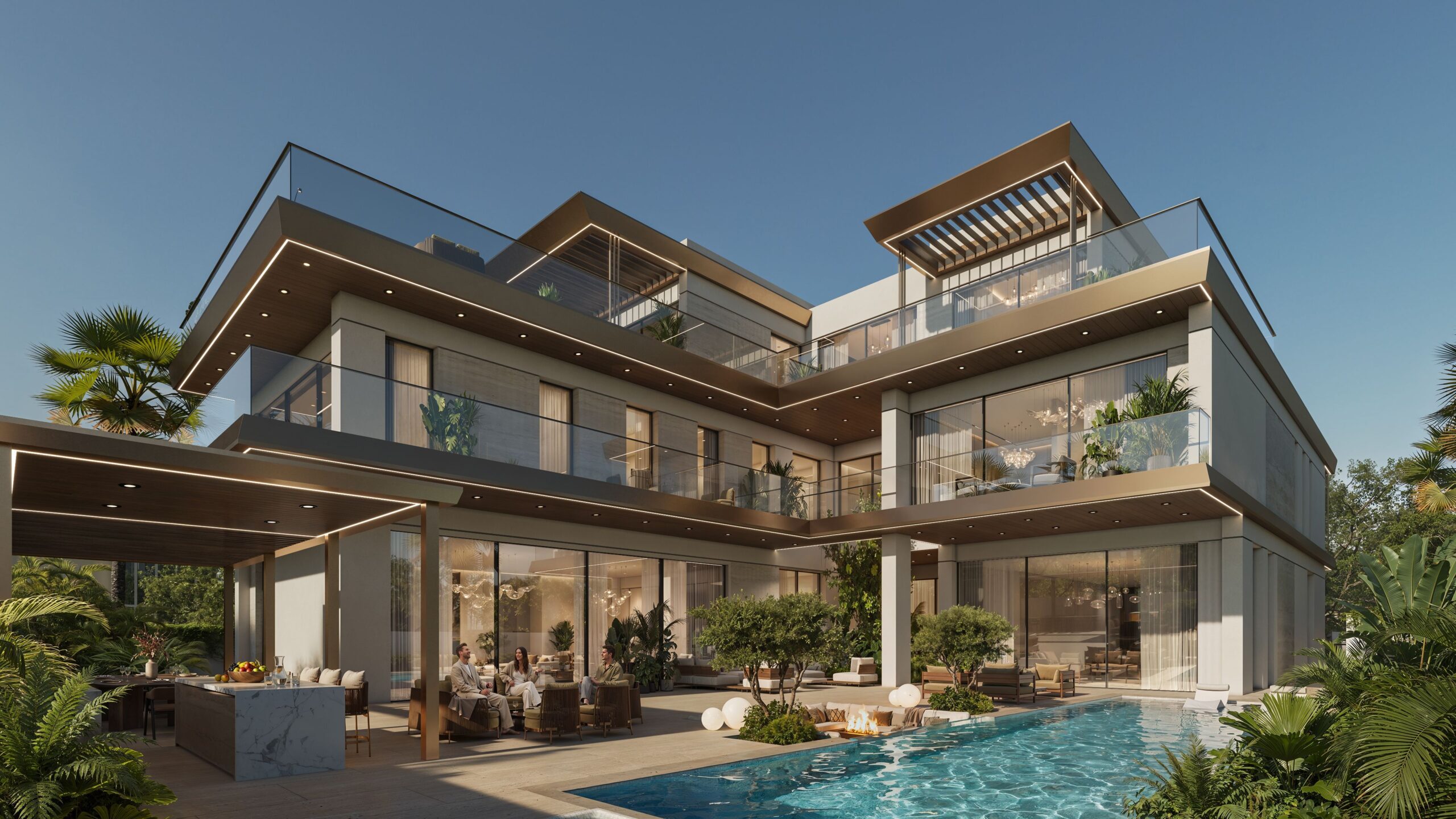
Architecture and Identity in the UAE | Contemporary Middle Eastern Design | Nellis Architecture
July 6, 2026
There was a period, not long ago, when the dominant conversation about UAE architecture centred on what it resembled. Glass facades borrowed from Manhattan. Modernist volumes transplanted from Europe. Residential typologies designed for climates and cultures that had nothing to do with the Gulf. That conversation has shifted. Across the UAE, a more considered design language is emerging - one inspired by regional traditions, responsive to the climate, and shaped by a growing sense of home. This is not nostalgia. Contemporary Middle Eastern architecture in the UAE is not a revival of vernacular forms or a decorative gesture toward heritage. It is a genuine recalibration of what residential design should look like when it is honest about where it sits, who it is for, and how long it is meant to last. As Lee Nellis often reflects, a home that does not know where it is cannot know who it is for. That is the design problem the UAE residential market is now beginning to solve in earnest.
The Shift From Spectacle to Spatial Intelligence
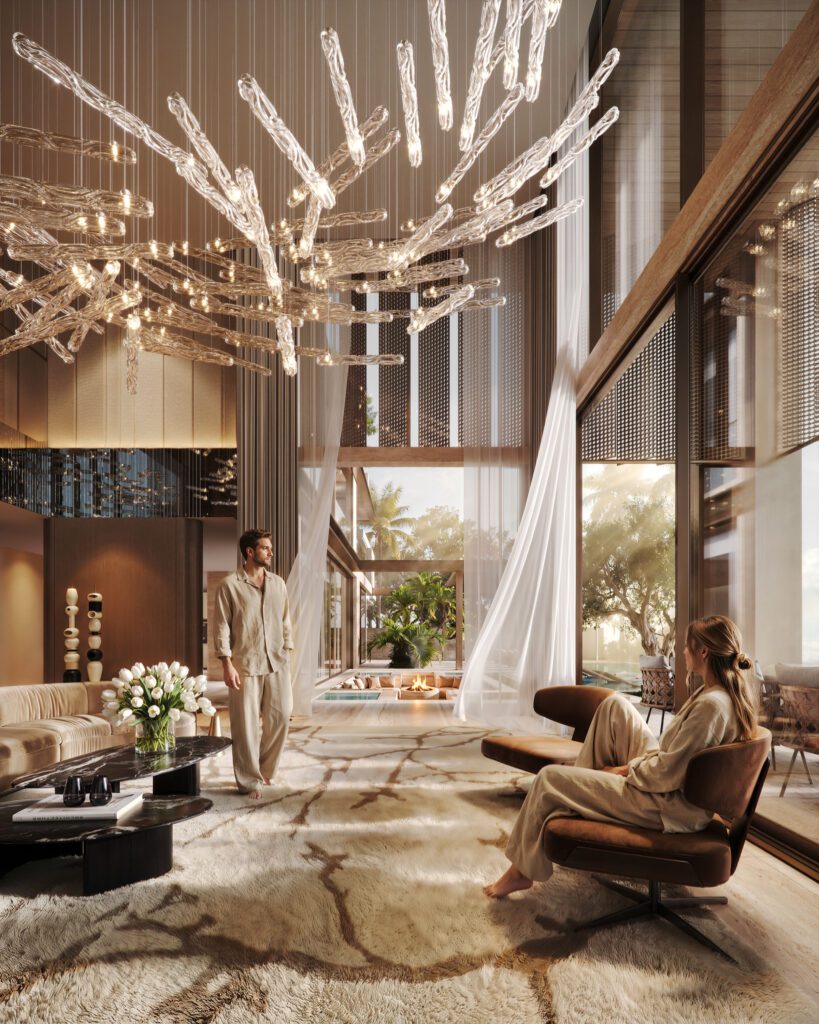 For much of the UAE’s rapid development period, architectural ambition was measured by visibility. Height. Surface complexity. The capacity to be photographed from a distance and recognised internationally. That metric served a purpose. It announced a new city to the world.
But it was never the right measure for residential architecture, which answers to a different set of demands - the quality of morning light in a bedroom, the relationship between interior rooms and exterior shade, the way a courtyard holds or releases heat through the afternoon hours. UAE residential design is increasingly being evaluated on precisely these terms.
Architecture firms in Dubai working at the serious end of residential design are responding by returning to fundamentals that the broader development market had largely set aside: orientation, section, materiality, and the relationship between built form and the specific conditions of the Gulf environment. These are not aesthetic preferences. They are the foundations of homes that perform well and age with dignity.
For much of the UAE’s rapid development period, architectural ambition was measured by visibility. Height. Surface complexity. The capacity to be photographed from a distance and recognised internationally. That metric served a purpose. It announced a new city to the world.
But it was never the right measure for residential architecture, which answers to a different set of demands - the quality of morning light in a bedroom, the relationship between interior rooms and exterior shade, the way a courtyard holds or releases heat through the afternoon hours. UAE residential design is increasingly being evaluated on precisely these terms.
Architecture firms in Dubai working at the serious end of residential design are responding by returning to fundamentals that the broader development market had largely set aside: orientation, section, materiality, and the relationship between built form and the specific conditions of the Gulf environment. These are not aesthetic preferences. They are the foundations of homes that perform well and age with dignity.
Regional Identity Is Not a Style - It Is a Discipline
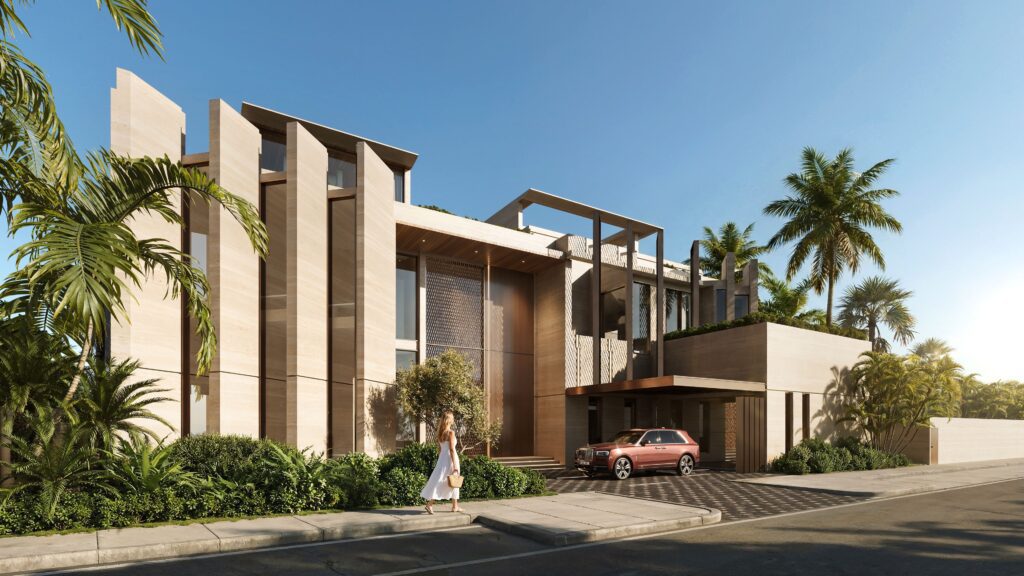 The risk with any conversation about architectural identity is that it collapses into aesthetics. Mashrabiya screens applied to glass towers. The vocabulary of tradition used as a finish rather than a structure. What distinguishes serious contemporary Middle Eastern architecture from surface regionalism is the degree to which local knowledge informs spatial decisions rather than decorative ones.
In the UAE, this means understanding how families live - the role of the majlis, the separation of family and guest spaces, and the transition from public to private. These are not cultural details to be illustrated in a mood board. They are the basis on which a floor plan should be constructed.
It also means understanding the climate not as a problem to be overcome through mechanical systems, but as a condition to be designed with. Shaded external volumes, carefully proportioned openings, materials selected for thermal mass rather than visual texture - these are the decisions that make a home in the Gulf comfortable to inhabit and significantly less expensive to run over time.
The risk with any conversation about architectural identity is that it collapses into aesthetics. Mashrabiya screens applied to glass towers. The vocabulary of tradition used as a finish rather than a structure. What distinguishes serious contemporary Middle Eastern architecture from surface regionalism is the degree to which local knowledge informs spatial decisions rather than decorative ones.
In the UAE, this means understanding how families live - the role of the majlis, the separation of family and guest spaces, and the transition from public to private. These are not cultural details to be illustrated in a mood board. They are the basis on which a floor plan should be constructed.
It also means understanding the climate not as a problem to be overcome through mechanical systems, but as a condition to be designed with. Shaded external volumes, carefully proportioned openings, materials selected for thermal mass rather than visual texture - these are the decisions that make a home in the Gulf comfortable to inhabit and significantly less expensive to run over time.
What This Means for International Clients Choosing the UAE
A significant proportion of residential commissions across premium UAE communities are initiated by clients who were not born here. They come from South Asia, East Africa, Europe, the wider Arab world and increasingly from East Asia. They bring their own spatial references, their own domestic rituals and their own expectations of what a luxury home should feel like. The most successful luxury home design in Dubai is not architecture that flatters international references or reassures clients with familiar typologies. It is architecture that earns its place in the UAE by responding honestly to the climatic, cultural, and urban conditions of the UAE, while accommodating the specific domestic life of the client in front of you. This is bespoke residential architecture UAE in its most meaningful form. Not custom in the sense of tailored surface, but custom in the sense of genuinely considered fit between a family, their home, and the place that home occupies.The Contemporary Villa as a Statement of Belonging
There is a shift underway in how UAE residential design is being framed by the clients commissioning it. Increasingly, a home in the UAE is not a hedge or a holding position. It is a commitment - to a place, to a community, to a way of living. Homes commissioned with that intention require a different architectural conversation. Contemporary villa architecture UAE at its most resolved sits within this frame. Externally, it occupies its site with clarity - not competing with its neighbours for attention, but holding its own position with confidence. Internally, it is organised around the rhythms of actual occupation: the morning routines, the evening gatherings, the quieter hours that tell you whether a space is genuinely liveable or merely impressive on entry. As Pieter Delport often notes, the homes that hold their value - spatially, emotionally, financially - are the ones built around how people actually live, not around how they imagined they might.The Architecture That Belongs Here
The UAE does not need architecture that proves it can replicate what exists elsewhere. It has already demonstrated that capacity, at scale and with considerable technical accomplishment. What it needs now - and what the most serious residential practices are beginning to produce - is architecture that belongs here. Architecture that earns its position on a specific site, in a specific climate, for a specific family. That will feel right not just on completion, but through the decade of occupation that follows. That is the standard contemporary Middle Eastern architecture in the UAE is reaching toward. Not spectacle. Not imitation. Architecture that is honest about where it is, and confident in what that means. As Ashley Bothma often reflects, the question is never what the market expects. The question is always what this place deserves. That is where regional architectural identity begins - and where the most enduring work is made.Design Intent Summary
This article positions Nellis Architecture as a practice engaged with the deeper question of regional identity - not as a stylistic concern but as a design discipline. It speaks to international clients who are choosing the UAE as a long-term base and who want a home that reflects the intelligence of the place, not simply its ambition. It establishes the practice as one that thinks architecturally about culture, climate and belonging.September 10, 2026
Aurea On Site: Protecting the Design as It Becomes Real
How Dubai Climate Shapes Every Decision a Luxury Architect Makes
Aug 14, 2026
Why International Clients Continue to Choose Dubai for Bespoke Residential Architecture
Aug 11, 2026
Can Architecture Make a Luxury Brand More Desirable? The Psychology Behind Premium Retail Design
July 30, 2026
Designing Oceanfront Homes That Feel Private Without Closing Off the View
July 28, 2026
Contemporary Luxury Architecture: What the World’s Best Homes Have in Common
July 9, 2026
Systems Thinking in Architecture: Designing Systems, Not Just Villas
July 7, 2026
UAE Architecture During Global Uncertainty: How Dubai’s Architecture Sector Continues to Grow Through Global Change
July 6, 2026
Architecture and Identity in the UAE | Contemporary Middle Eastern Design | Nellis Architecture
July 5, 2026
Contemporary Luxury Architecture: What the World’s Best Residential Homes Have in Common
July 2, 2026
Dubai as a Global Design Base | Luxury Architect Dubai | Nellis Architecture
June 28, 2026
Smart Home Automation Dubai | What Belongs in a Luxury Villa | Nellis Architecture
June 3, 2026
Designing for Balance, What Traditional Chinese Architecture Teaches Modern UAE Homes
May 31, 2026
Behaviour-Led Luxury Home Design Dubai | Residential Architecture UAE | Nellis Architecture
May 30, 2026
Mediterranean-Inspired Luxury Home Design Dubai | Residential Architecture UAE | Nellis Architecture
May 25, 2026
When Design Is Tested What Actually Matters | Luxury Villa Design Dubai | Nellis Architecture
May 18, 2026
Beyond Aesthetics: Designing Spaces That Last | Luxury Home Design Dubai | Nellis Architecture
May 15, 2026
Architectural Design Across the UAE | Luxury Home Design Dubai | Nellis Architecture
May 8, 2026
How We Approach Dubai Villa Interior Design on Palm Jumeirah | Nellis Architecture
May 6, 2026
How to Choose an Architecture Firm in Dubai | Luxury Villa Design UAE | Nellis Architecture
April 6, 2026
Why Longevity Is Becoming the New Definition of Luxury
April 4, 2026
The Islamic Garden Principles in Contemporary Palm Jumeirah Villa Design
April 2, 2026
The Difference Between Expensive and Valuable in Luxury Architecture
March 30, 2026
The Architecture of Shade in the UAE
March 27, 2026
Living With the Sea: What Coastal Architecture Really Requires on Palm Jumeirah
March 24, 2026
From Mashrabiya to Modern Screens: Privacy in Architecture and What It Means for Dubai Villas Today
February 15, 2026
What Makes a Palm Villa Truly Luxury | Luxury Villa Design Dubai | Nellis Architecture
February 14, 2026
Modern vs Contemporary Villas on the Palm | Luxury Villa Design Dubai | Nellis Architecture
February 13, 2026
How to Maximise Views Without Sacrificing Privacy | Luxury Villa Design Dubai | Nellis Architecture
February 3, 2026
Future-Proofing a Palm Jumeirah Home | Luxury Villa Design Dubai | Nellis Architecture
January 25, 2026
Common Mistakes When Building High-End Homes in Dubai | Luxury Villa Design | Nellis Architecture
December 29, 2025
Indoor–Outdoor Living in the Gulf | Climate, Shading and Landscape | Nellis Architecture
December 24, 2025
Designing Stillness on the Sea | 5-Star Single Residence Winner | Nellis Architecture
December 24, 2025
Designing the Extraordinary: Onyx and the Architecture of Confidence
December 22, 2025
25 Questions: The Art of a Good Architectural Brief | Nellis Architecture
December 18, 2025
Water as Experience | Pools, Rills and Thermal Comfort in Gulf Architecture | Nellis Architecture
December 17, 2025
Nellis Architecture 2025 Reflections: Culture, Clarity and the Year of Momentum
December 15, 2025
The Craft of Time: Why Enduring Architecture Matters
November 25, 2025
Sustainable Architecture for Dubai Homes
November 24, 2025
Miraia, Award-Winning 5-Star Single Residence | International Property Awards 2025
November 21, 2025
Heritage and Innovation in Dubai Architecture: How Tradition Meets Modern Design
November 07, 2025
Beachfront Resilience: Salt, Wind, And Glazing
November 01, 2025
AI In Home Design: Useful Or Hype?
September 30, 2025
Quiet Luxury and the Secret of Wabi-Sabi
September 24, 2025
Bespoke Design for Dubai Homes
August 15, 2025
Full Circle Moments and Firsts: A Conversation with Anastasia, Intern at Nellis Architecture
August 11, 2025
Seeing Beyond the Surface: My Journey in Architectural Visualisation
July 22, 2025
When the Brief Comes Pre-Built. A studio reflection with Pieter, Ben and Quinton | Nellis Architecture
July 9, 2025
Introducing Margaret – and Why Landscape Architecture Isn’t Just “Nice to Have”
July 1, 2025
Living Tomorrow: Reflections on the Future of Home Design
June 3, 2025
Building Trust Not Just Buildings: Marketing the Nellis Way
April 14, 2025
How the World Got Smaller: Architecture, Tech, and Keeping Design Real
May 1, 2025
Crafting Light, Telling Stories: A Reflection on Milan Design Week 2025
March 19, 2025
Using Historical Learnings Today
February 2, 2025
Visiting Vitrocsa in Switzerland: Nellis Architecture x GLASSLINE
January 31, 2025
Crafting Wellness at Nellis Architecture: A Year of Reflection and Growth
December 20, 2024
Nellis Architecture X Bauhaus: The Power of Collaboration in Property Projects
December 6, 2024
Lee Nellis: A Journey Through Architecture
November 6, 2024