



Home / News
Contemporary Luxury Architecture: What the World’s Best Residential Homes Have in Common
July 5, 2026
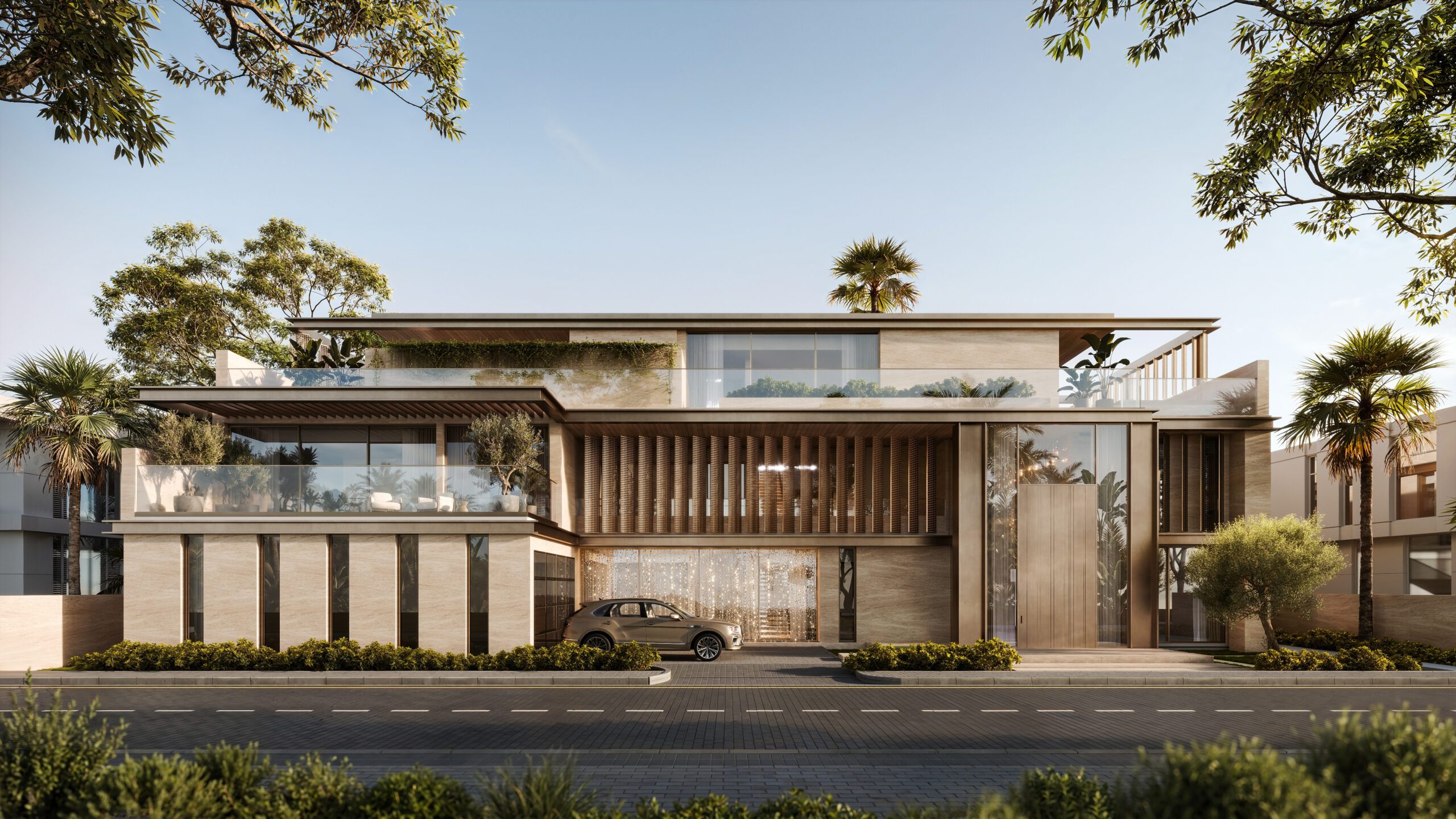
Luxury residential architecture is not defined by scale. It is not defined by the number of rooms, the height of ceilings, or the value of materials used. The homes that endure - those that feel as considered on first entry as they do after years of living - share something less tangible. They are precise without being rigid. They are refined without being decorative. They respond to the people who live in them without drawing attention to the fact that they have been designed at all. Across the most respected residential projects globally, from minimalist villas in Switzerland to palm-fronted estates in the UAE, certain principles appear consistently. These are not stylistic conventions. They are architectural disciplines. Understanding what separates enduring luxury from surface luxury is increasingly relevant for those commissioning homes in Dubai and across the Emirates. The market has matured. Expectations have sharpened. And the architecture that performs best is the kind that has thought beyond the visual. As Lee Nellis often reflects, the best residential architecture does not announce itself. It simply makes living feel effortless.
Restraint as a Design Discipline
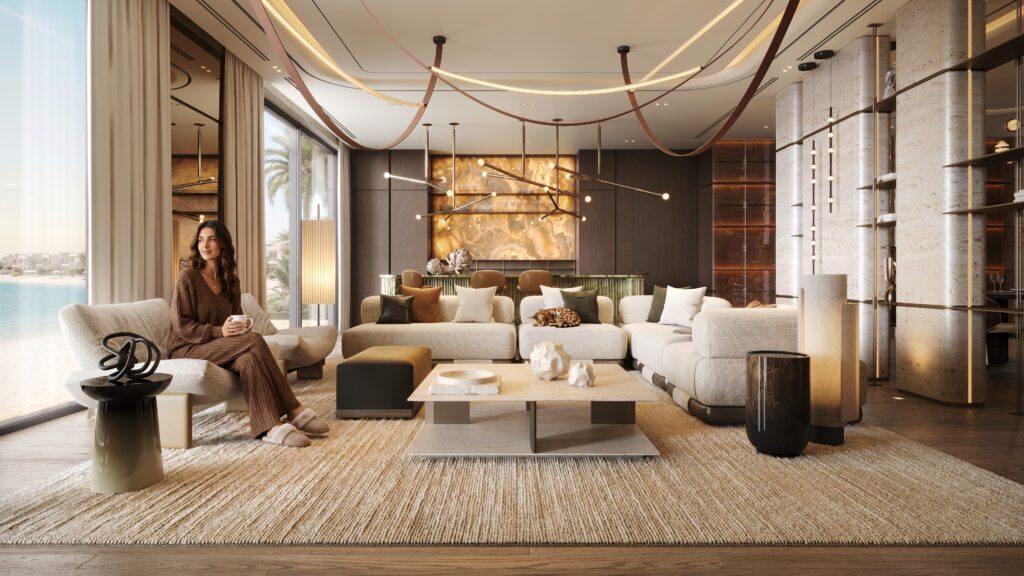 Among the world’s most admired contemporary luxury homes, restraint is consistently present. Not as minimalism in the stylistic sense, but as a commitment to editing. Every element in a considered home has a reason to be there. Every material is chosen not for its price point but for how it behaves in light, over time, and in relation to the materials beside it. Every spatial transition - from entry to living, from interior to terrace - is composed rather than assembled.
What this produces is an architecture that feels effortless. The discipline disappears. What remains is a home that simply feels right. In bespoke residential architecture UAE, this principle is particularly important. The instinct to demonstrate luxury through accumulation - of finishes, of forms, of features - can override the quieter, more lasting decisions that define quality.
The most enduring luxury homes in Dubai and across the Gulf are those where the restraint is evident not through what is absent, but through how coherently everything present has been resolved.
Among the world’s most admired contemporary luxury homes, restraint is consistently present. Not as minimalism in the stylistic sense, but as a commitment to editing. Every element in a considered home has a reason to be there. Every material is chosen not for its price point but for how it behaves in light, over time, and in relation to the materials beside it. Every spatial transition - from entry to living, from interior to terrace - is composed rather than assembled.
What this produces is an architecture that feels effortless. The discipline disappears. What remains is a home that simply feels right. In bespoke residential architecture UAE, this principle is particularly important. The instinct to demonstrate luxury through accumulation - of finishes, of forms, of features - can override the quieter, more lasting decisions that define quality.
The most enduring luxury homes in Dubai and across the Gulf are those where the restraint is evident not through what is absent, but through how coherently everything present has been resolved.
The Relationship Between Architecture and Light
Every high-performing luxury home is, at its core, a study in light management. In temperate climates, this means maximising natural light, drawing it deep into plan and using it to animate space across the course of a day. In the Gulf, the challenge is more nuanced. Light here is intense, direct and relentless at certain times of year. The architecture must mediate it. The world’s best contemporary luxury homes - from Beirut penthouses to California hillside estates to villas along the UAE coast - share a careful attention to how light enters, diffuses and moves through space. Overhangs are calibrated. Glazing is placed where light serves the room, not where views are simply available. Courtyards and atria introduce controlled natural illumination into the heart of the plan. In luxury villa architecture UAE, this becomes an architectural decision with real consequences. A home that is glare-affected by midday, or uniformly bright without variation, loses much of what makes interior space feel inhabited and alive. The refinement lies in working with light as a material. It is as important as the stone on the floor or the timber on the ceiling.Spatial Sequence and the Experience of Moving Through a Home
The world’s most sophisticated residential homes are designed as sequences, not as collections of rooms. The experience of arriving, moving from public to private, from formal to informal, from interior to exterior, is choreographed. Each transition is considered. Each threshold is an architectural moment. This is rarely visible in a floor plan. It is experienced in the living of a home. A well-sequenced plan makes a home feel larger than its footprint. It gives each room a sense of arrival. It creates the impression that the architecture has been organised around how people actually move and live. Among globally inspired architecture, this spatial intelligence is a consistent marker of quality. It appears in Japanese residential design, in Scandinavian summer houses, in the best contemporary villas across Europe and the Middle East. In elevated residential design, spatial sequence separates homes that feel immediately impressive from those that continue to reward over time. It is the difference between a house that is striking and a home that is genuinely liveable. As Quinton Murdoch often notes, the quality of a home is often most apparent in the moments between rooms - in the pause, the compression, the release.Material Selection as a Long-Term Decision
In the most considered luxury homes globally, materials are selected for how they age, not only for how they appear on completion. This is a fundamental discipline. Stone that patinas with use, timber that develops character over time, metal that oxidises into something more complex than its original state - these choices reflect an understanding that a home is not a finished product on the day it is handed over. It is a building that continues to develop. This principle is central to architecture with longevity. It contrasts with approaches that prioritise immediate visual impact at the expense of how materials perform across years of climate, use and occupation. In the UAE context, material selection carries particular weight. The climate is demanding. UV exposure, humidity and temperature cycling test materials in ways that more temperate climates do not. The best contemporary villa architecture UAE reflects this - choosing materials not only for their beauty, but for how they behave in this specific environment over a decade or more. Understated luxury design consistently reflects this approach. The homes that feel most refined are those where materials have been selected with patience and specificity, not assembled for visual impact alone.The Integration of Interior and Exterior Living
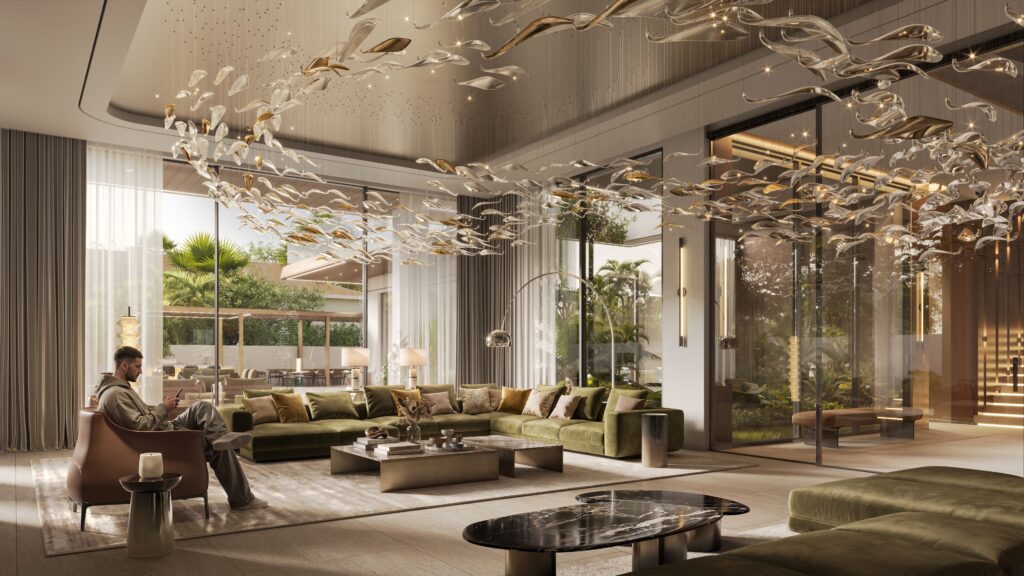 Across premium architectural experiences worldwide, one constant stands out: the dissolving of the boundary between inside and outside.
This is not simply a matter of large sliding doors or outdoor kitchens. It is about how the architecture positions interior and exterior space in relation to each other, how views are framed, how the ground plane continues across thresholds, how covered and uncovered areas create a layered sequence of space that extends the perceived scale of the home.
In the Gulf, this relationship is deeply seasonal. The best residential design in Dubai and the UAE acknowledges that outdoor living is transformed across the year, and designs accordingly. Shaded terraces, pools positioned in relation to prevailing light, landscaping integrated into the architectural language rather than treated as a separate scope - these decisions define the quality of outdoor connection.
Globally, the homes that perform at the highest level treat exterior space as architecture, not as landscaping. The distinction matters. Landscaping follows architecture. Architecture considers exterior space from the beginning of the design process.
As Margaret Pluta has observed, a home that opens well to the outside does not simply feel larger. It feels more resolved.
Across premium architectural experiences worldwide, one constant stands out: the dissolving of the boundary between inside and outside.
This is not simply a matter of large sliding doors or outdoor kitchens. It is about how the architecture positions interior and exterior space in relation to each other, how views are framed, how the ground plane continues across thresholds, how covered and uncovered areas create a layered sequence of space that extends the perceived scale of the home.
In the Gulf, this relationship is deeply seasonal. The best residential design in Dubai and the UAE acknowledges that outdoor living is transformed across the year, and designs accordingly. Shaded terraces, pools positioned in relation to prevailing light, landscaping integrated into the architectural language rather than treated as a separate scope - these decisions define the quality of outdoor connection.
Globally, the homes that perform at the highest level treat exterior space as architecture, not as landscaping. The distinction matters. Landscaping follows architecture. Architecture considers exterior space from the beginning of the design process.
As Margaret Pluta has observed, a home that opens well to the outside does not simply feel larger. It feels more resolved.
Architecture Designed Around the People Who Live In It
The most enduring luxury homes are those designed with a precise understanding of the people who will inhabit them. This goes beyond a brief. It requires a sustained enquiry into how a family actually lives - not in the abstract, but in the specific. When is privacy needed and when is connection important? How do guests move through the home differently from residents? How do children grow into a space and how does the home adapt? Curated living environments reflect this understanding. They are not generic solutions applied to a particular site. They are responses to specific people, with specific habits, preferences and long-term intentions. This is where bespoke residential architecture UAE differs from premium volume design. The architecture absorbs the life it is designed for. The result is a home that feels specific - not because it is unusual, but because it has been thought through at a level most architecture does not reach. For those commissioning homes in Dubai and across the Emirates, this level of engagement is what separates a luxury architect Dubai from a practice simply operating at a premium price point.What Globally Aware Architecture Looks Like Locally
The best contemporary luxury architecture is internationally informed and locally grounded. This is not a contradiction. It is a discipline. The most sophisticated residential architecture globally draws on a wide frame of reference - spatial intelligence absorbed from Japanese design, material restraint observed in Scandinavian practice, the relationship between form and climate studied in Mediterranean and Middle Eastern precedents. But this reference is always filtered through the specific conditions of the project. Site, climate, culture, client and context all shape how broader architectural thinking is applied. Globally aware locally rooted architecture is neither imitation nor isolation. It is the result of a practice that understands architecture at an international level and has the precision to apply that understanding specifically. In Dubai and across the UAE, where clients are internationally mobile and design expectations are shaped by global exposure, this quality is increasingly expected. The most successful architecture firms in Dubai are those that bring genuine international perspective to each project without allowing that perspective to override the specific demands of place.The Common Thread
Across the world’s best luxury residential homes, the shared characteristics are not stylistic. They are disciplinary. Restraint in composition. Precision in spatial sequence. Careful attention to how light behaves. Material decisions made for longevity. A considered relationship between interior and exterior. And, above all, an architecture that understands and responds to the people it is designed for. These qualities do not belong to any single style, region or budget. They belong to a way of working - one that treats each project as requiring genuine enquiry rather than the application of a formula. For those considering luxury home design Dubai and across the Emirates, these are the markers worth looking for. Not the visual language. Not the finish schedule. But the evidence that the architecture has been thought through at every level. That is what distinguishes premium architectural experiences from architecture that simply looks the part. As Pieter Delport often reflects, the homes that last are the ones that were designed to be lived in. Everything else follows from that.Design Intent Summary
This article positions Nellis Architecture within a global frame of reference, demonstrating that the practice brings internationally informed design intelligence to each project. It establishes the firm as a luxury architect Dubai capable of delivering refined contemporary living at the highest level, while grounding the discussion in principles that resonate with clients commissioning bespoke homes across the UAE.July 5, 2026
Contemporary Luxury Architecture: What the World’s Best Residential Homes Have in Common
July 2, 2026
Dubai as a Global Design Base | Luxury Architect Dubai | Nellis Architecture
June 28, 2026
Smart Home Automation Dubai | What Belongs in a Luxury Villa | Nellis Architecture
June 3, 2026
Designing for Balance, What Traditional Chinese Architecture Teaches Modern UAE Homes
May 31, 2026
Behaviour-Led Luxury Home Design Dubai | Residential Architecture UAE | Nellis Architecture
May 30, 2026
Mediterranean-Inspired Luxury Home Design Dubai | Residential Architecture UAE | Nellis Architecture
May 25, 2026
When Design Is Tested What Actually Matters | Luxury Villa Design Dubai | Nellis Architecture
May 18, 2026
Beyond Aesthetics: Designing Spaces That Last | Luxury Home Design Dubai | Nellis Architecture
May 15, 2026
Architectural Design Across the UAE | Luxury Home Design Dubai | Nellis Architecture
May 8, 2026
How We Approach Dubai Villa Interior Design on Palm Jumeirah | Nellis Architecture
May 6, 2026
How to Choose an Architecture Firm in Dubai | Luxury Villa Design UAE | Nellis Architecture
April 6, 2026
Why Longevity Is Becoming the New Definition of Luxury
April 4, 2026
The Islamic Garden Principles in Contemporary Palm Jumeirah Villa Design
April 2, 2026
The Difference Between Expensive and Valuable in Luxury Architecture
March 30, 2026
The Architecture of Shade in the UAE
March 27, 2026
Living With the Sea: What Coastal Architecture Really Requires on Palm Jumeirah
March 24, 2026
From Mashrabiya to Modern Screens: Privacy in Architecture and What It Means for Dubai Villas Today
February 15, 2026
What Makes a Palm Villa Truly Luxury | Luxury Villa Design Dubai | Nellis Architecture
February 14, 2026
Modern vs Contemporary Villas on the Palm | Luxury Villa Design Dubai | Nellis Architecture
February 13, 2026
How to Maximise Views Without Sacrificing Privacy | Luxury Villa Design Dubai | Nellis Architecture
February 3, 2026
Future-Proofing a Palm Jumeirah Home | Luxury Villa Design Dubai | Nellis Architecture
January 25, 2026
Common Mistakes When Building High-End Homes in Dubai | Luxury Villa Design | Nellis Architecture
December 29, 2025
Indoor–Outdoor Living in the Gulf | Climate, Shading and Landscape | Nellis Architecture
December 24, 2025
Designing Stillness on the Sea | 5-Star Single Residence Winner | Nellis Architecture
December 24, 2025
Designing the Extraordinary: Onyx and the Architecture of Confidence
December 22, 2025
25 Questions: The Art of a Good Architectural Brief | Nellis Architecture
December 18, 2025
Water as Experience | Pools, Rills and Thermal Comfort in Gulf Architecture | Nellis Architecture
December 17, 2025
Nellis Architecture 2025 Reflections: Culture, Clarity and the Year of Momentum
December 15, 2025
The Craft of Time: Why Enduring Architecture Matters
November 25, 2025
Sustainable Architecture for Dubai Homes
November 24, 2025
Miraia, Award-Winning 5-Star Single Residence | International Property Awards 2025
November 21, 2025
Heritage and Innovation in Dubai Architecture: How Tradition Meets Modern Design
November 07, 2025
Beachfront Resilience: Salt, Wind, And Glazing
November 01, 2025
AI In Home Design: Useful Or Hype?
September 30, 2025
Quiet Luxury and the Secret of Wabi-Sabi
September 24, 2025
Bespoke Design for Dubai Homes
August 15, 2025
Full Circle Moments and Firsts: A Conversation with Anastasia, Intern at Nellis Architecture
August 11, 2025
Seeing Beyond the Surface: My Journey in Architectural Visualisation
July 22, 2025
When the Brief Comes Pre-Built. A studio reflection with Pieter, Ben and Quinton | Nellis Architecture
July 9, 2025
Introducing Margaret – and Why Landscape Architecture Isn’t Just “Nice to Have”
July 1, 2025
Living Tomorrow: Reflections on the Future of Home Design
June 3, 2025
Building Trust Not Just Buildings: Marketing the Nellis Way
April 14, 2025
How the World Got Smaller: Architecture, Tech, and Keeping Design Real
May 1, 2025
Crafting Light, Telling Stories: A Reflection on Milan Design Week 2025
March 19, 2025
Using Historical Learnings Today
February 2, 2025
Visiting Vitrocsa in Switzerland: Nellis Architecture x GLASSLINE
January 31, 2025
Crafting Wellness at Nellis Architecture: A Year of Reflection and Growth
December 20, 2024
Nellis Architecture X Bauhaus: The Power of Collaboration in Property Projects
December 6, 2024
Lee Nellis: A Journey Through Architecture
November 6, 2024